






Wire & Cables in Tanzania: Types, Uses and Complete Buying Guide
Electricity plays an essential role in modern homes, businesses and industrial operations. From powering household appliances and lighting systems to supporting large commercial buildings and industrial machinery, electrical wires and cables are important components of every electrical installation.
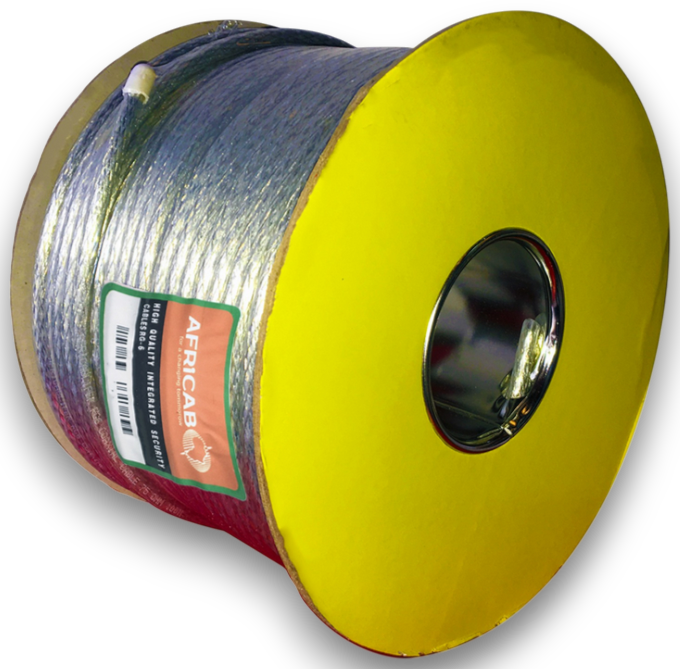
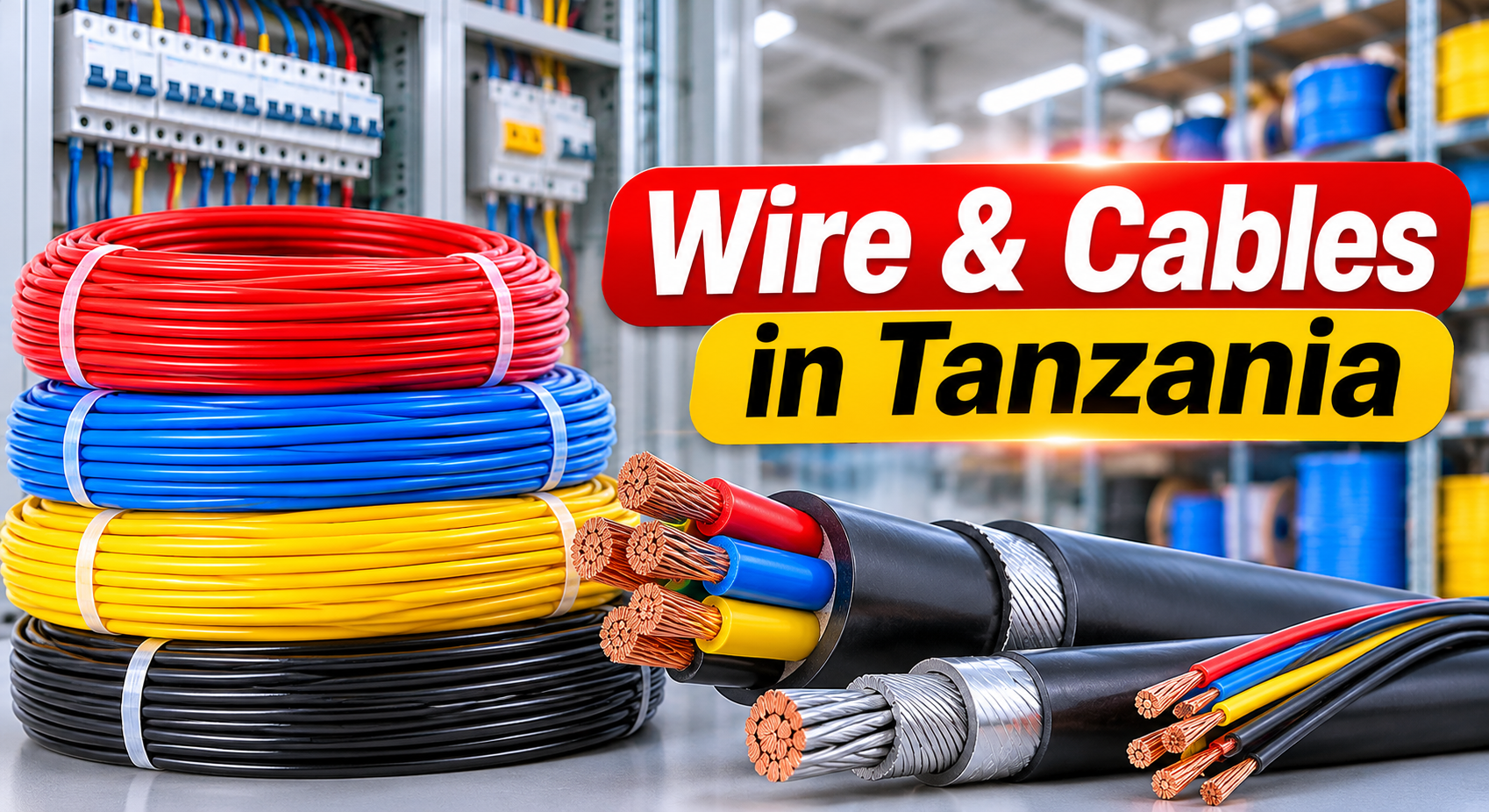
Choosing the right Wire & Cables in Tanzania is essential for ensuring electrical safety, reliable power distribution and long-term performance. Whether you are constructing a new home, upgrading an office, developing an industrial facility or installing a solar power system, selecting suitable electrical cables can make a significant difference.
With different cable types, sizes and insulation materials available, understanding their applications helps you make better purchasing decisions.
In this guide, we will explore different types of electrical wires and cables, their applications, important selection factors and why choosing quality electrical products matters.
Why Are Quality Electrical Wires and Cables Important?
Electrical wires and cables carry electrical power from one point to another. Their quality directly affects the safety, efficiency and reliability of an electrical installation.
Using suitable cables offers several benefits:
1. Improved Electrical Safety
Quality cables with appropriate insulation help reduce the risk of electrical faults, short circuits and insulation failures when correctly selected and installed.
2. Reliable Power Distribution
Properly sized electrical cables support consistent power delivery to connected equipment, appliances and electrical systems.
3. Better Durability
Cables manufactured with suitable materials and insulation are designed to withstand the environmental and operating conditions for which they are specified.
4. Reduced Maintenance Issues
Selecting the correct cable type and size can help minimise installation problems, overheating risks and unnecessary maintenance.
5. Support for Different Applications
From residential lighting to industrial power distribution, different cable designs support different electrical requirements.
Different Types of Electrical Wires and Cables in Tanzania
Understanding the available cable types is important before selecting products for your project.
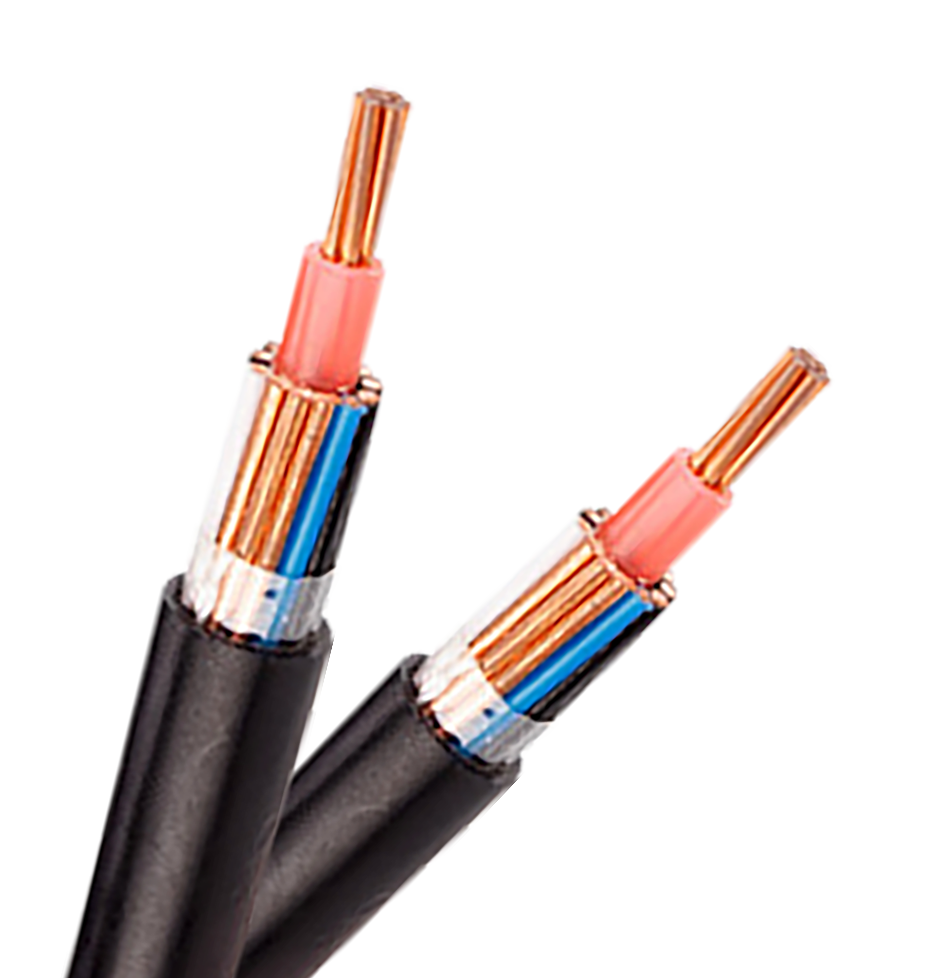
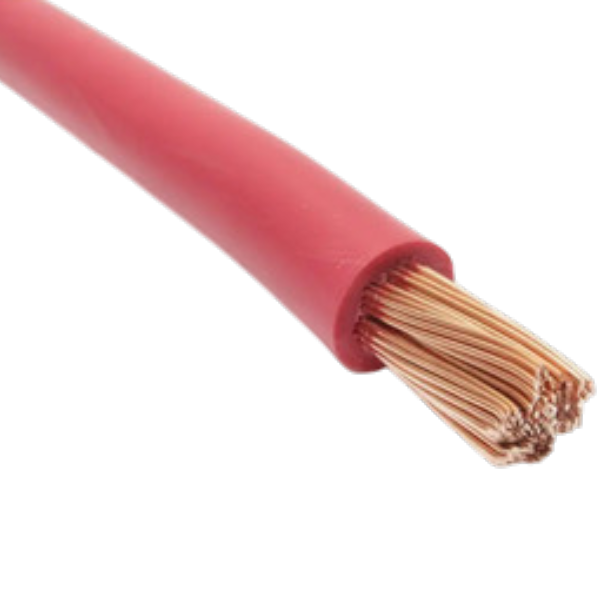
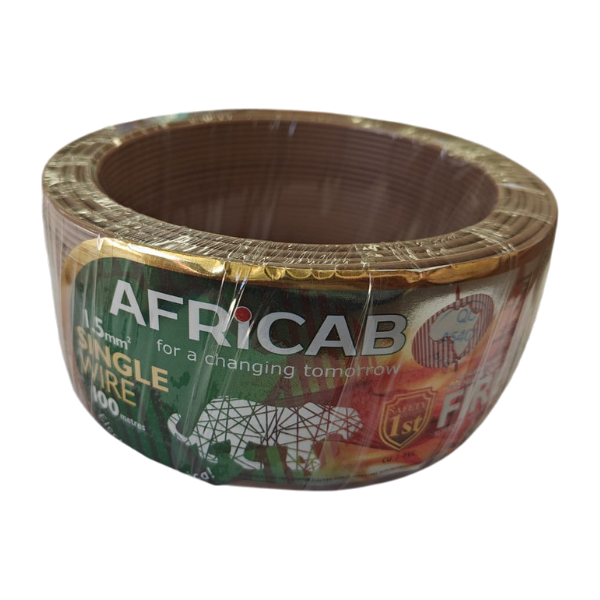
1. Single Core Cables
Single core cables contain one conductor surrounded by insulation. They are commonly used in electrical distribution boards, control panels and building wiring applications, depending on their design and rating.
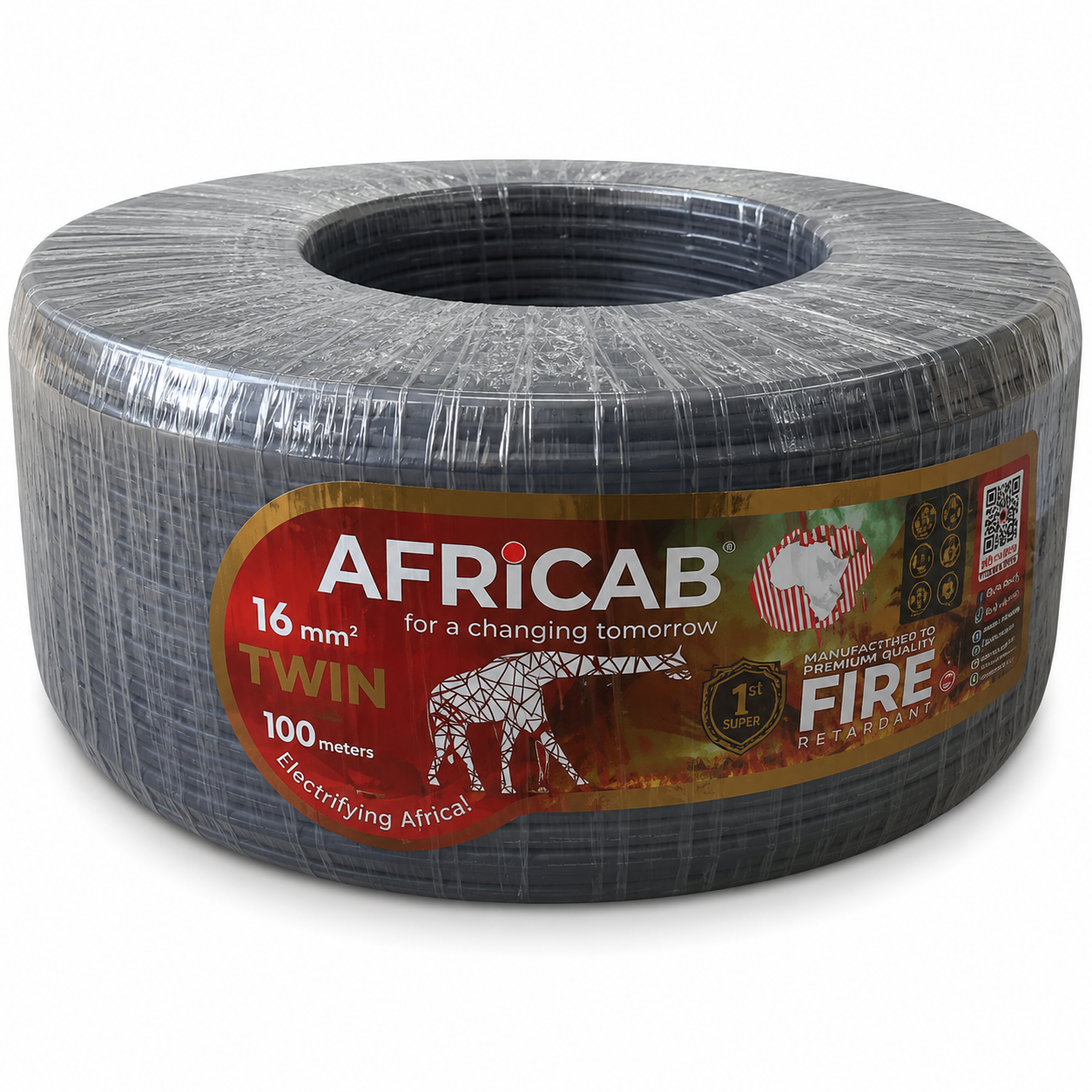
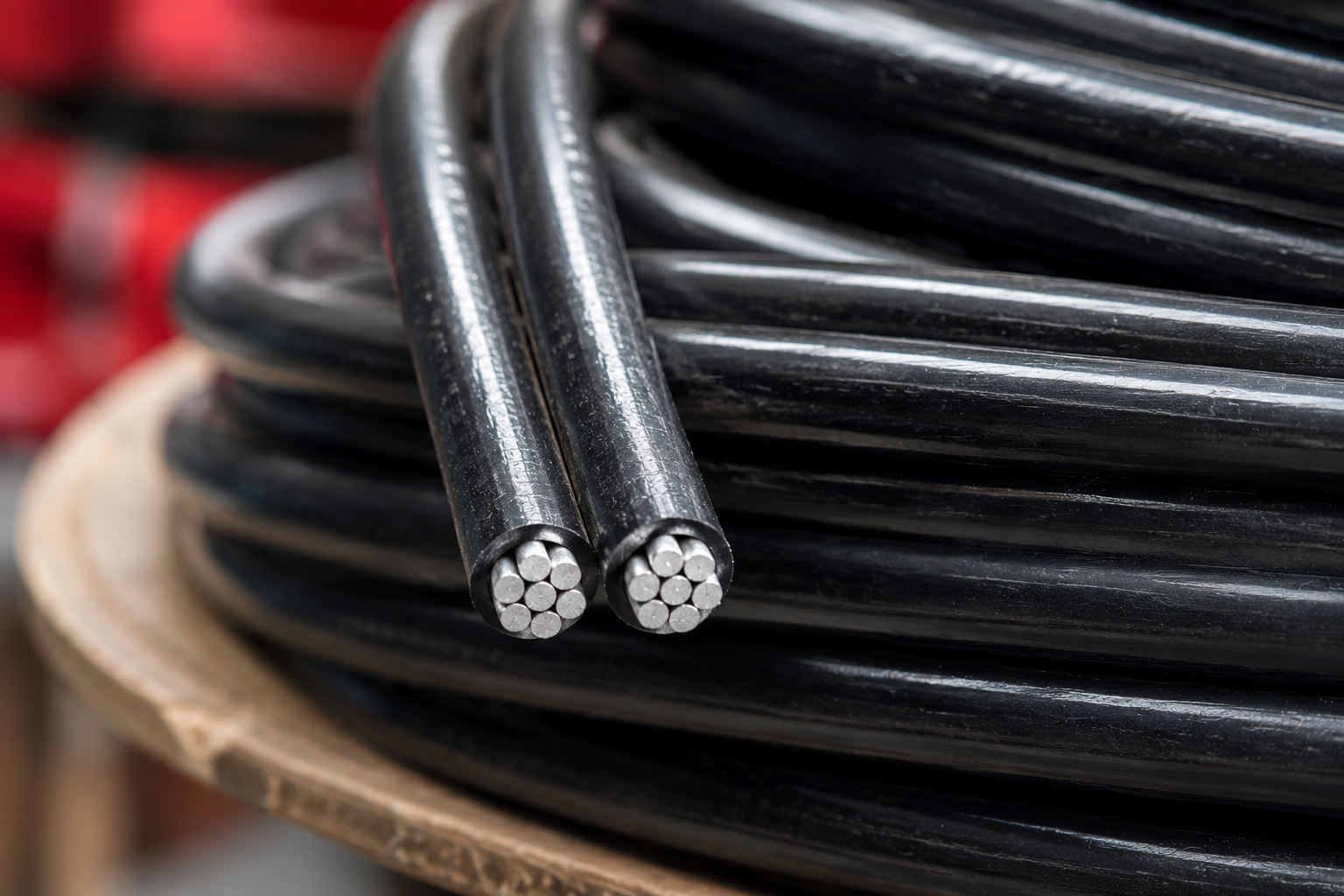
2. Twin Core Cables
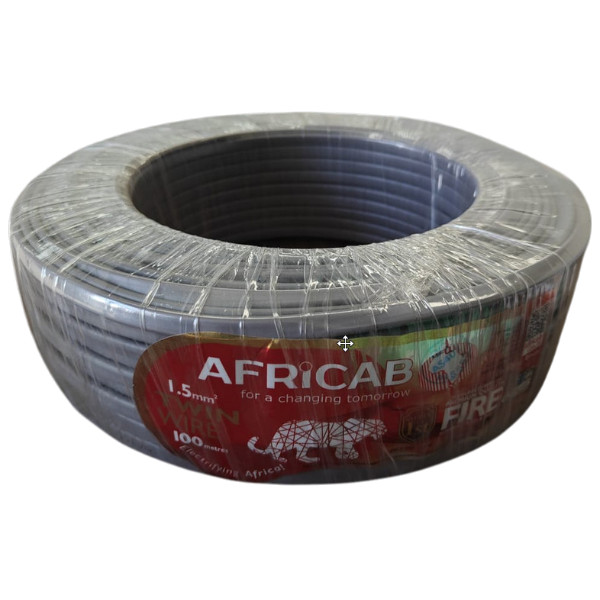
Twin core cables contain two insulated conductors within a cable arrangement. They are used in suitable electrical connections and power applications according to their voltage and current ratings.
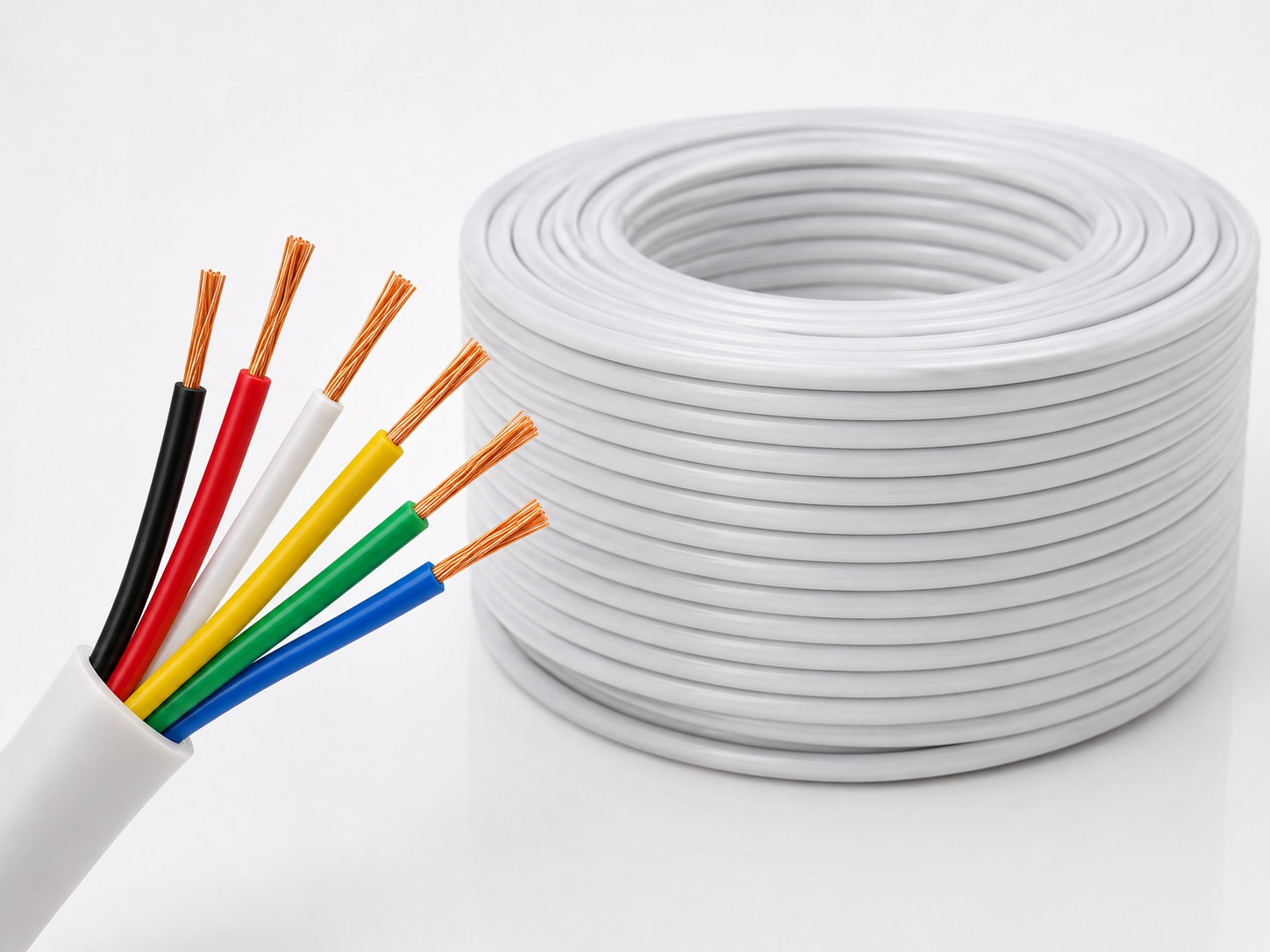
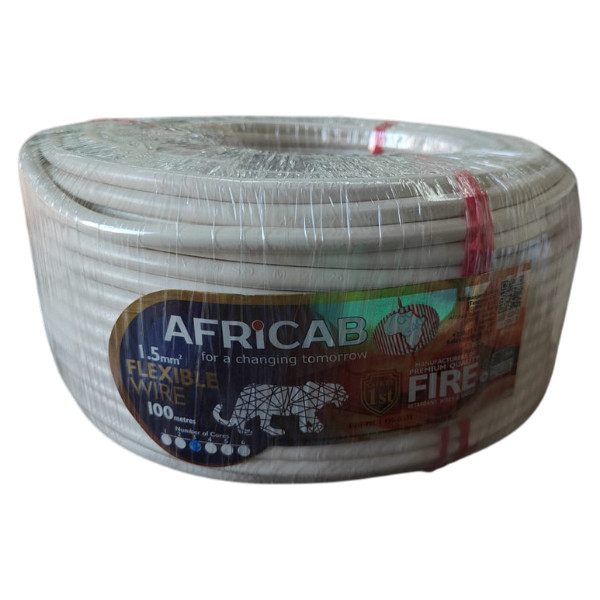
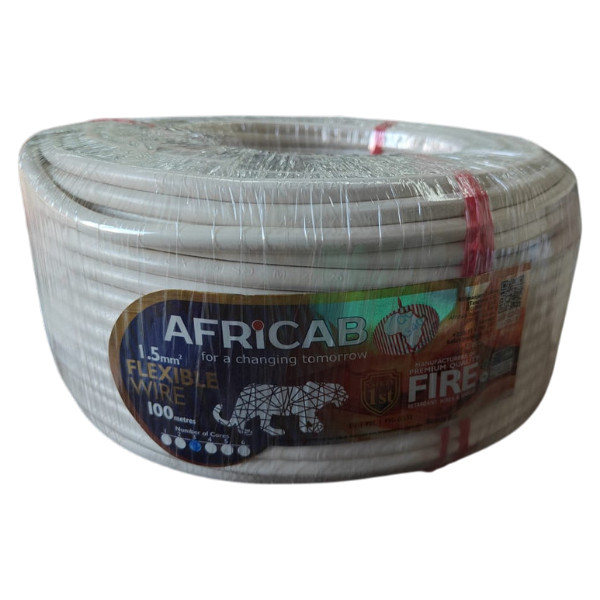
3. Flexible Electrical Cables
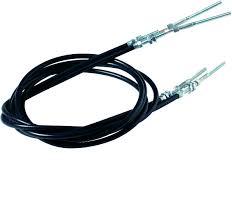
Flexible cables are designed with stranded conductors that allow easier bending and movement. They are commonly used for electrical appliances, portable equipment and applications where flexibility is required.
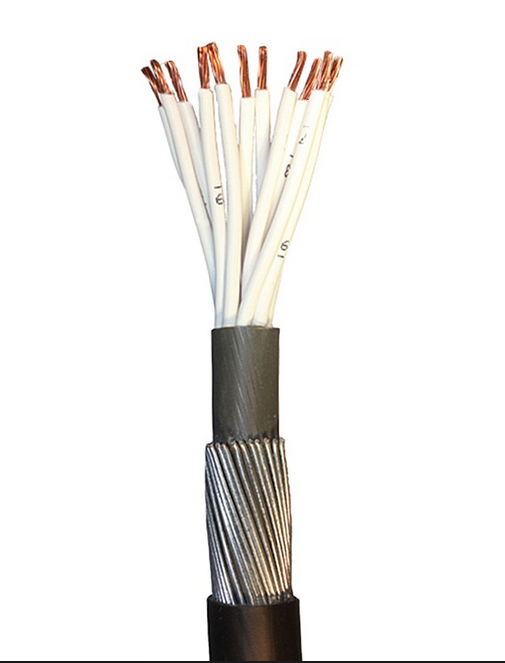
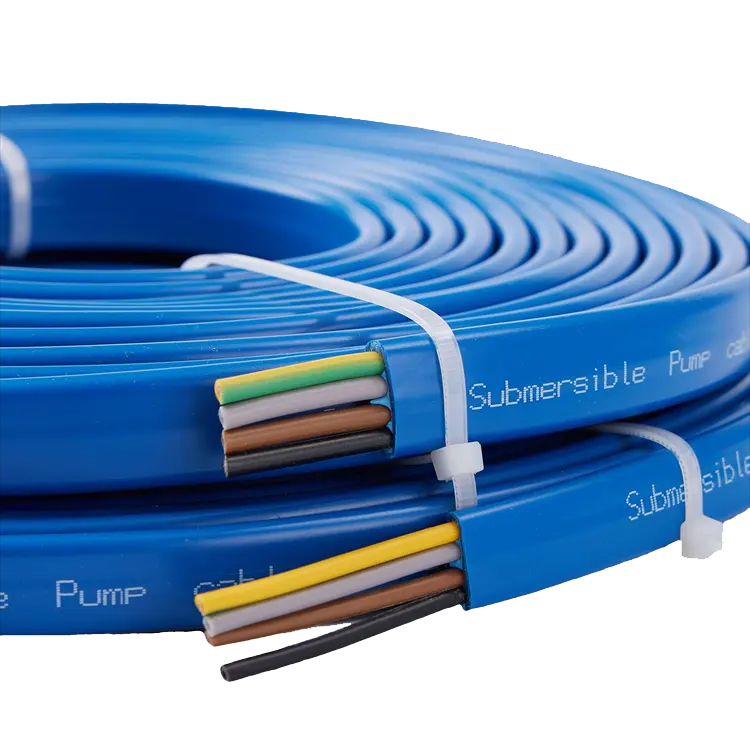
4. Multicore Cables
Multicore cables contain multiple insulated conductors within a single outer sheath. They are useful for control systems, equipment connections and various industrial electrical applications.
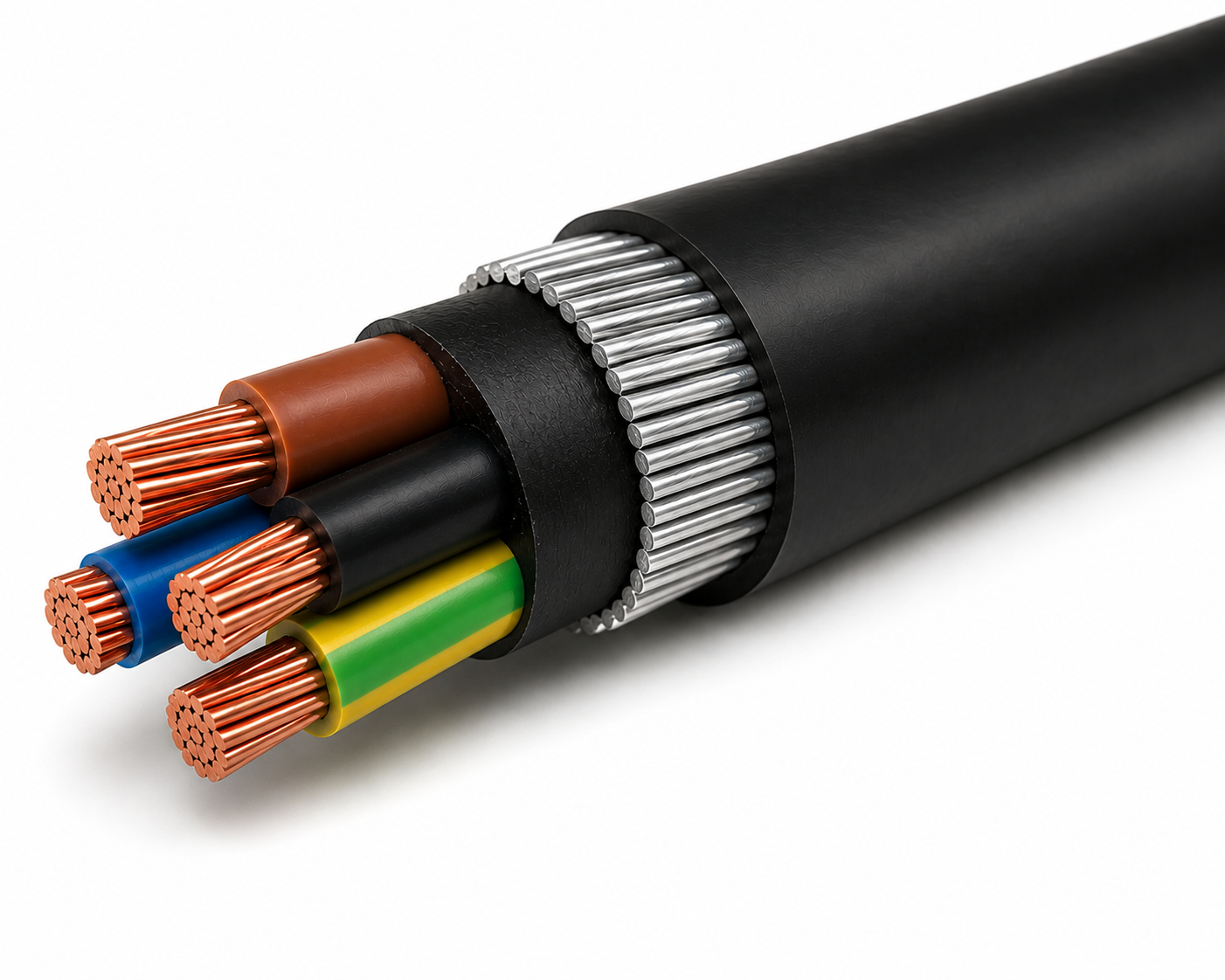
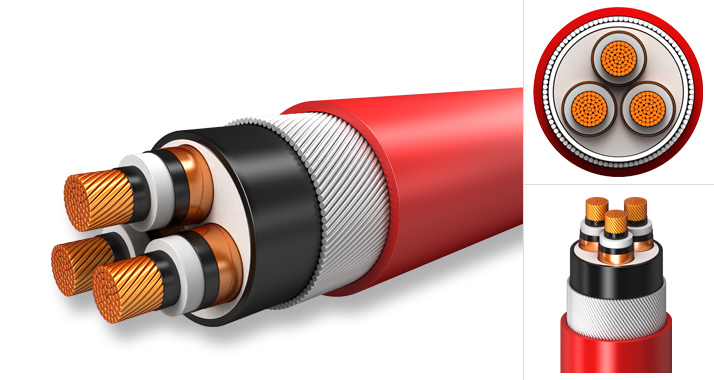
5. Armoured Cables
Armoured cables include an additional protective layer designed to provide mechanical protection. They are suitable for specified underground, outdoor and industrial installations where additional protection is required.
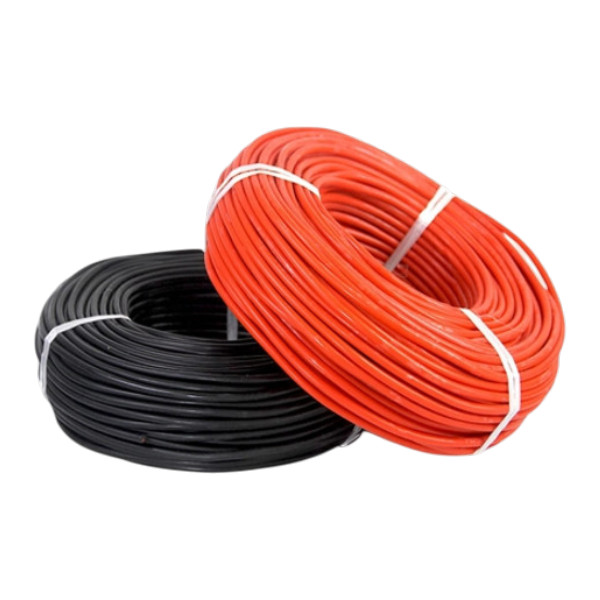
6. Solar Cables
Solar cables are specifically designed for photovoltaic installations. They connect solar panels with other system components and are manufactured to withstand the environmental conditions associated with solar applications.
For solar installations, it is important to choose cables with appropriate voltage ratings, insulation properties and compliance with relevant photovoltaic cable standards.
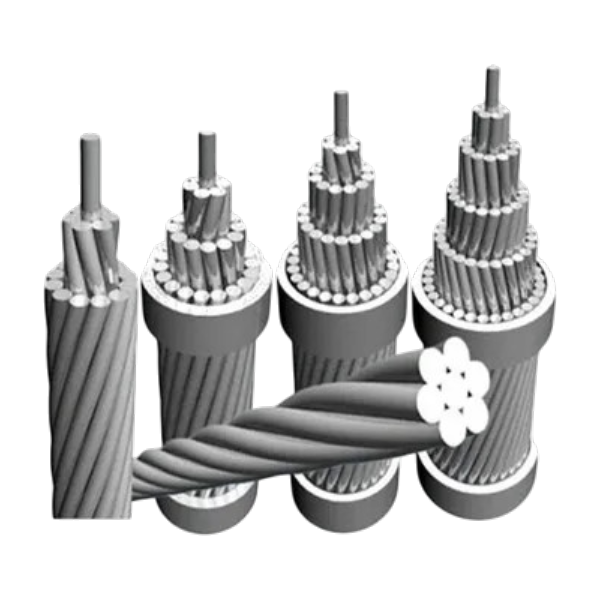
7. Low, Medium and High Voltage Cables
Power cables are designed for different voltage levels and electrical distribution requirements.
-
Low Voltage (LV) Cables: Used in residential, commercial and various industrial electrical installations.
-
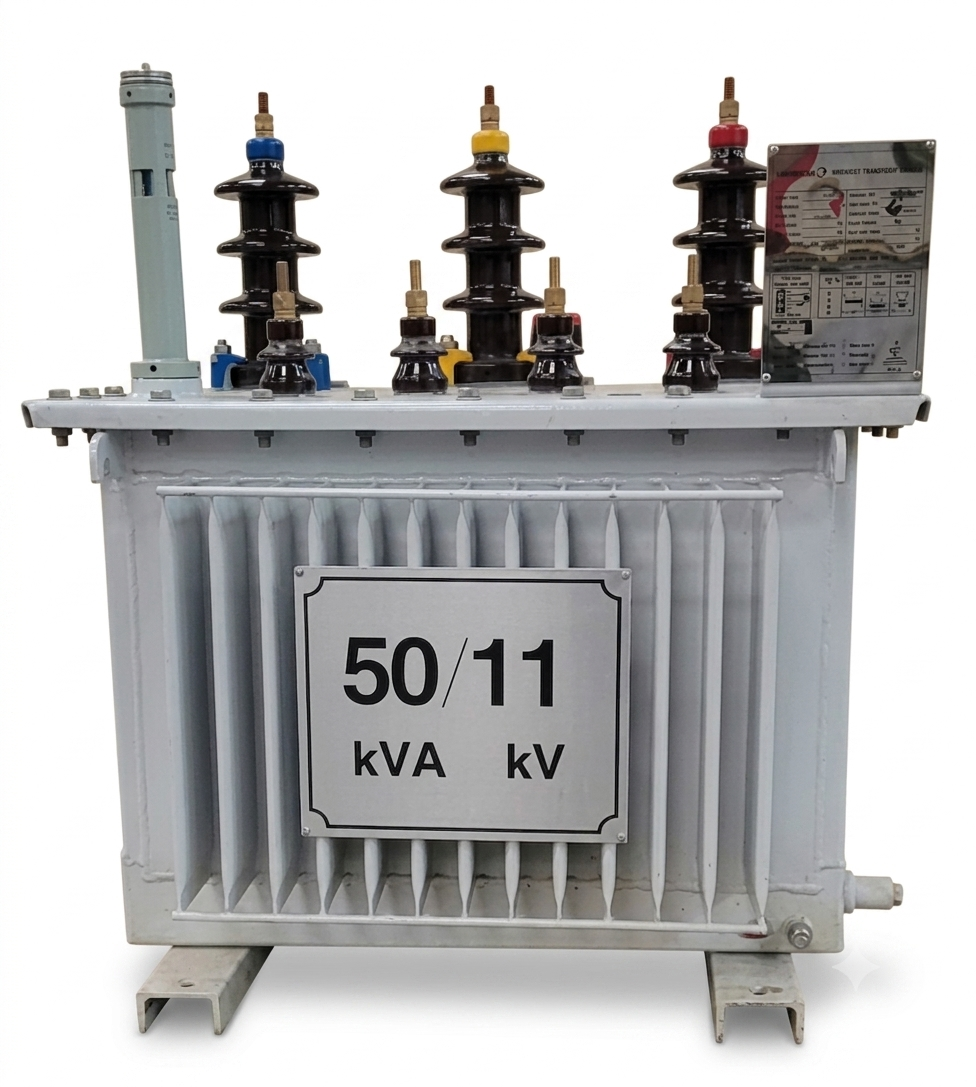
Medium Voltage (MV) Cables: Used in electrical distribution networks and infrastructure projects.
-
High Voltage (HV) Cables: Designed for specialised high-voltage transmission and power infrastructure applications.
Each cable must be selected according to its intended operating voltage and applicable technical requirements.
How to Choose the Right Electrical Wire and Cable
Selecting the correct cable involves more than comparing prices. Several technical factors should be considered before making a purchase.
1. Cable Size and Conductor Cross-Section
Cable size is an important factor in electrical safety and performance. The correct conductor cross-section depends on the expected current, installation method, cable length and operating conditions.
An undersized cable can overheat and create safety risks.
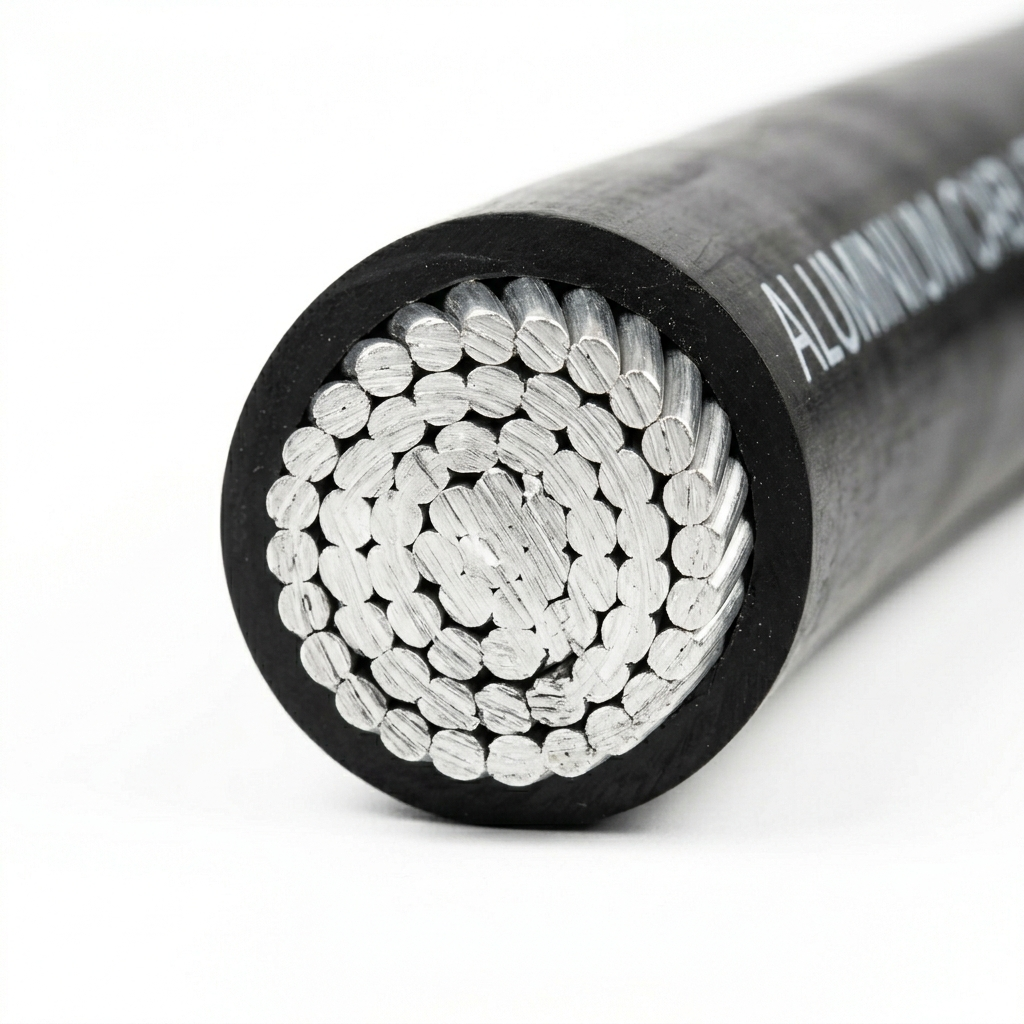
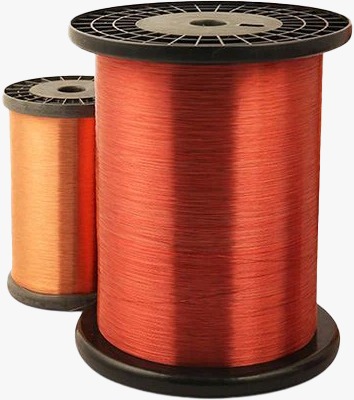
2. Conductor Material
Copper and aluminium are commonly used conductor materials.
-
Copper offers high electrical conductivity and is widely used in building wiring and electrical applications.
-
Aluminium is lighter and is used in suitable power distribution applications.
The choice depends on the installation requirements and engineering specifications.
3. Insulation Material
Cable insulation protects conductors and helps prevent electrical contact and short circuits. Common insulation materials include PVC and XLPE.
Different insulation materials offer different temperature, electrical and environmental performance characteristics.
4. Voltage Rating
Always select cables with voltage ratings suitable for the electrical system. Using an incorrectly rated cable can compromise safety and system performance.
5. Installation Environment
Consider whether the cable will be installed indoors, outdoors, underground, in a conduit or in an industrial environment. Temperature, moisture, UV exposure and mechanical protection requirements can influence cable selection.
6. Quality Standards and Certification
Check relevant product standards, certifications and manufacturer specifications. Quality assurance is important for ensuring that cables meet the requirements of their intended applications.
Applications of Wires and Cables Across Tanzania
Electrical wires and cables are used in almost every sector of Tanzania's growing infrastructure and economy.
Residential Buildings: Used for lighting, sockets, switches, distribution boards and household electrical connections.
Commercial Buildings: Support electrical installations in offices, shopping centres, hotels, restaurants and other commercial facilities.
Industrial Facilities: Used for machinery connections, power distribution, control panels and industrial electrical systems.
Construction Projects: Essential for electrical infrastructure in residential developments, commercial buildings and large construction projects.
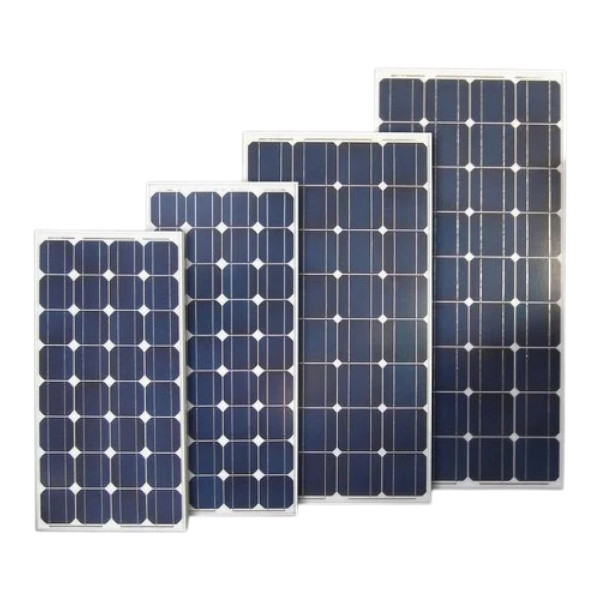
Solar Energy Systems: Used to connect photovoltaic panels, inverters, batteries and other solar system components with appropriately specified cables.
Power Distribution Networks: Support electricity distribution infrastructure through suitable LV, MV and HV cable systems.
Important Safety Tips for Electrical Cable Installation
Proper installation is just as important as selecting quality wires and cables.
Follow these important precautions:
-
Always use the correct cable size for the electrical load.
-
Avoid overloading electrical circuits.
-
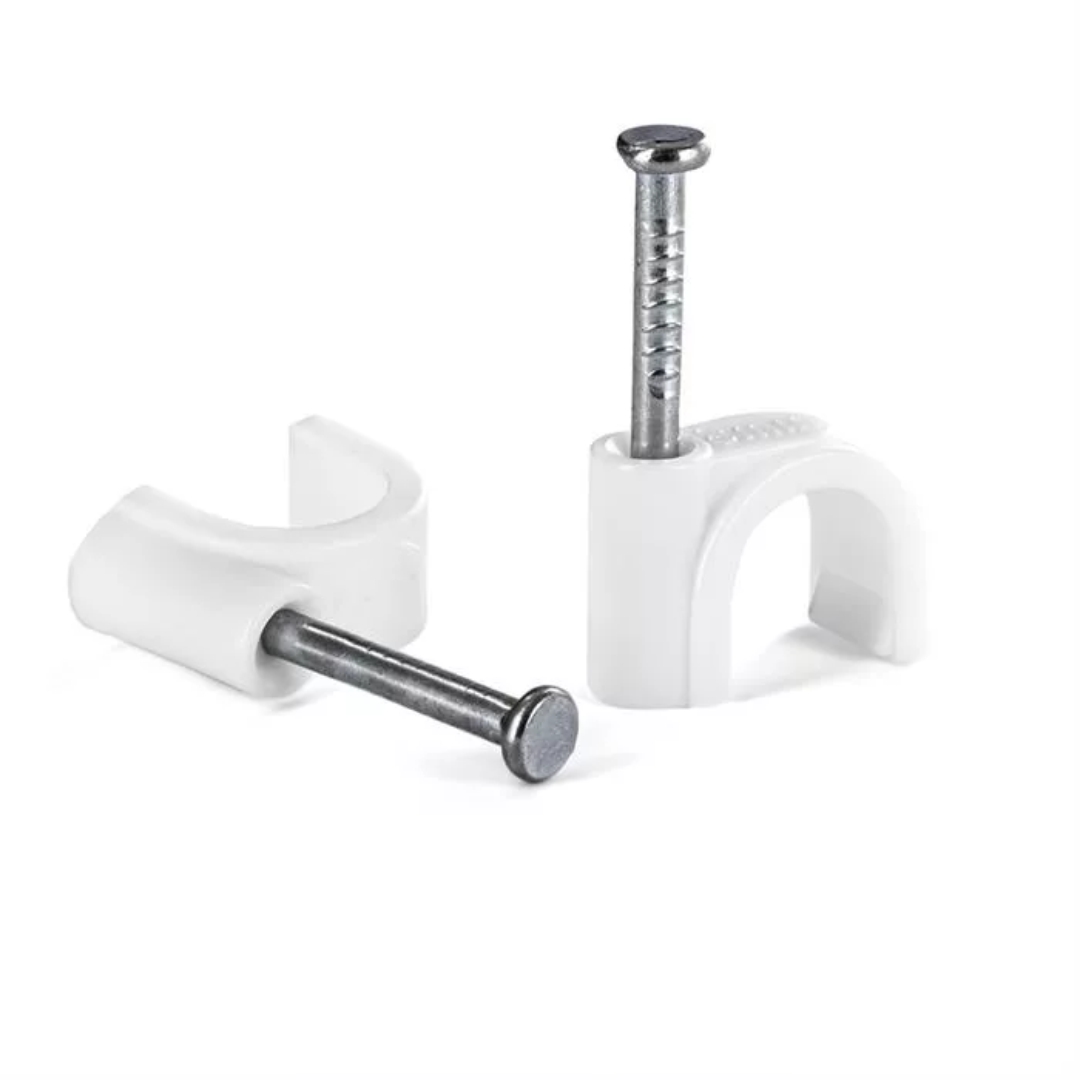
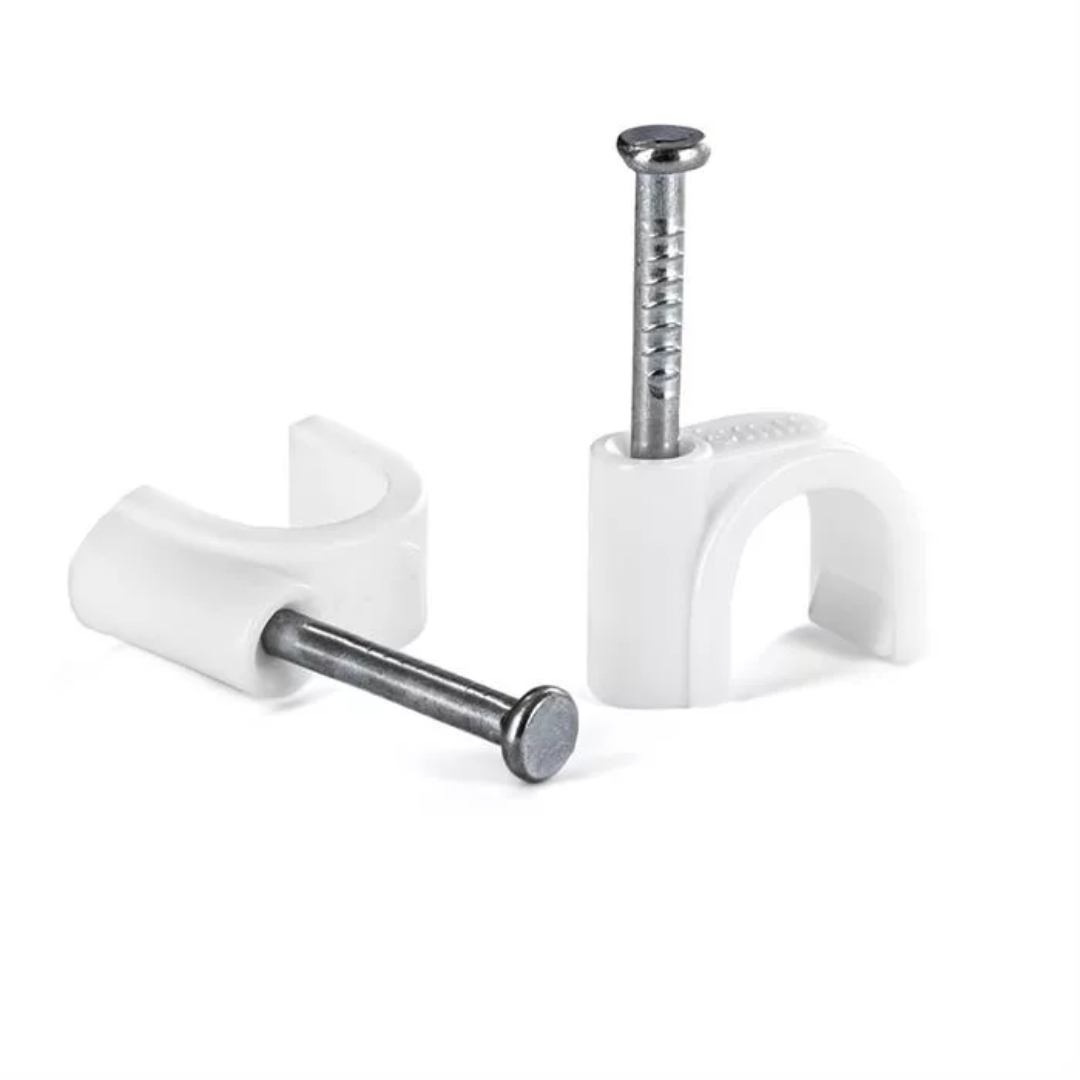
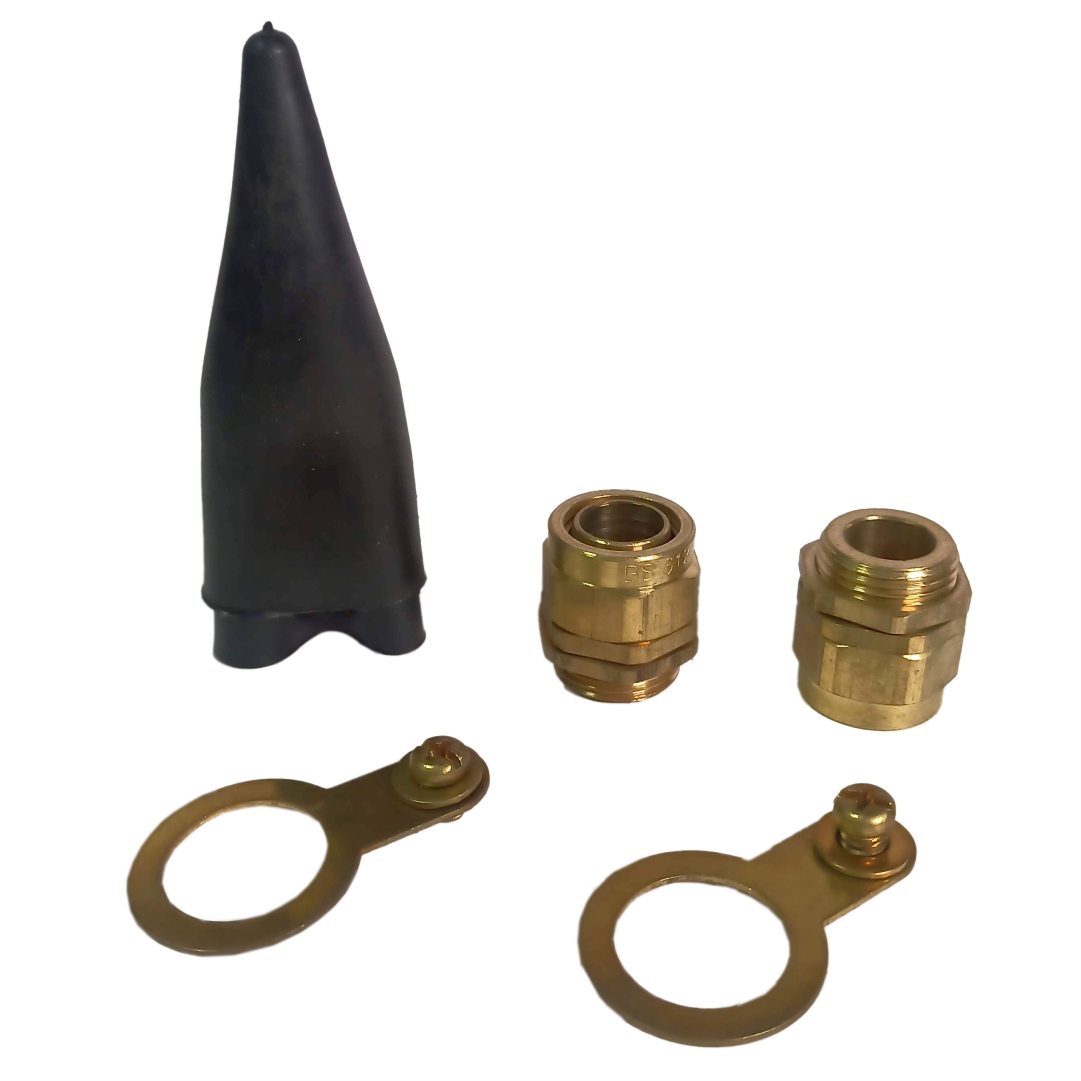
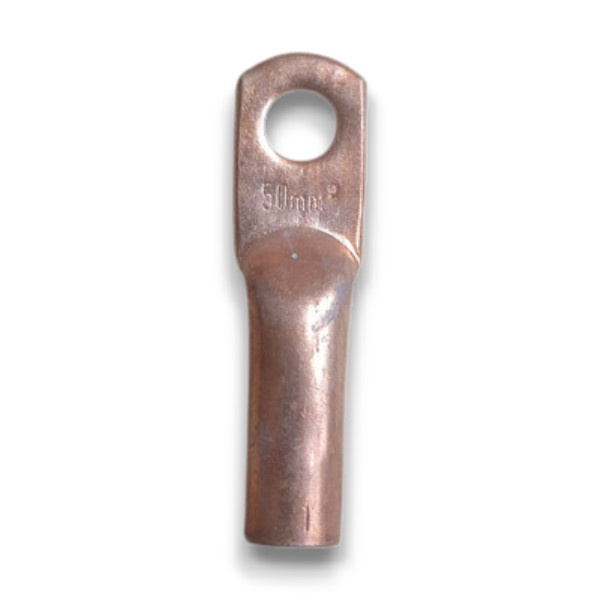
Use appropriate insulation and protective accessories.
-
Keep cables away from excessive heat and unsuitable environmental conditions.
-
Ensure proper cable routing and mechanical protection.
-
Avoid damaged, exposed or poorly connected electrical wires.
-
Use qualified electrical professionals for installation.
-
Follow applicable electrical standards and safety regulations.
-
Inspect electrical installations periodically.
For complex commercial and industrial projects, proper electrical design and professional installation are essential.
Why Choose AFRICAB for Wire & Cables in Tanzania?
When purchasing electrical products, choosing a reliable supplier is an important part of every successful project.
AFRICAB is an established electrical, solar and safety solutions provider in Tanzania, supporting residential, commercial and industrial requirements.
With a focus on quality, reliability, innovation and customer satisfaction, AFRICAB offers electrical solutions across different product categories.
AFRICAB's electrical product range and capabilities support various requirements, including:
-
Electrical wires and cables.
-
Low, medium and high voltage solutions.
-
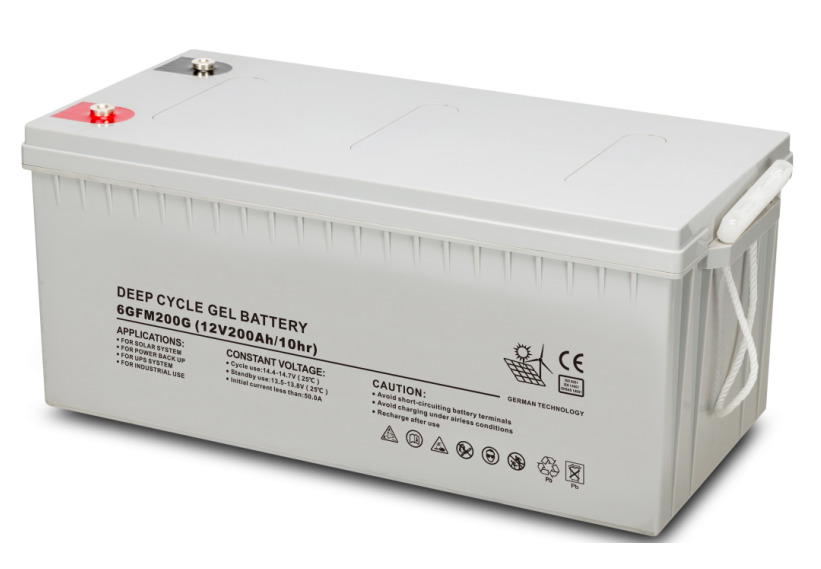
Solar cables and energy storage solutions.
-
Electrical accessories and installation products.
-
Power distribution and related electrical equipment.
Whether you are an electrician, contractor, distributor, business owner or project developer, choosing appropriate electrical products is essential for reliable installations.
Explore AFRICAB's electrical product range and find solutions for your project requirements.
Visit AFRICAB: https://africab.co.tz/
Conclusion
Electrical wires and cables are essential for safe and reliable power distribution in homes, commercial buildings and industrial facilities. Choosing the right cable requires careful consideration of conductor material, cable size, insulation, voltage rating and installation environment.
When searching for quality Wire & Cables in Tanzania, always prioritise product specifications, safety standards and the requirements of your electrical project.
AFRICAB is committed to supporting Tanzania's electrical and infrastructure needs with dependable electrical, solar and safety solutions. Choose the right products and build safer, more reliable electrical installations.

Comments
No approved comments yet.