










How to Choose LED Strip Lighting for Your Home and Office
Lighting plays an important role in how a space looks and feels. Whether you are setting up a comfortable home, designing a modern office or improving an existing workspace, the right lighting can make everyday activities easier while enhancing the overall appearance. LED strip lighting has become a popular choice because of its flexible design, different colour options and versatility. However, choosing the right option involves more than simply picking a design. Factors such as brightness, colour temperature, power consumption and installation location all matter. Understanding these basics can help you find lighting that suits your space and requirements.
What Is LED Strip Lighting and How Does It Work?
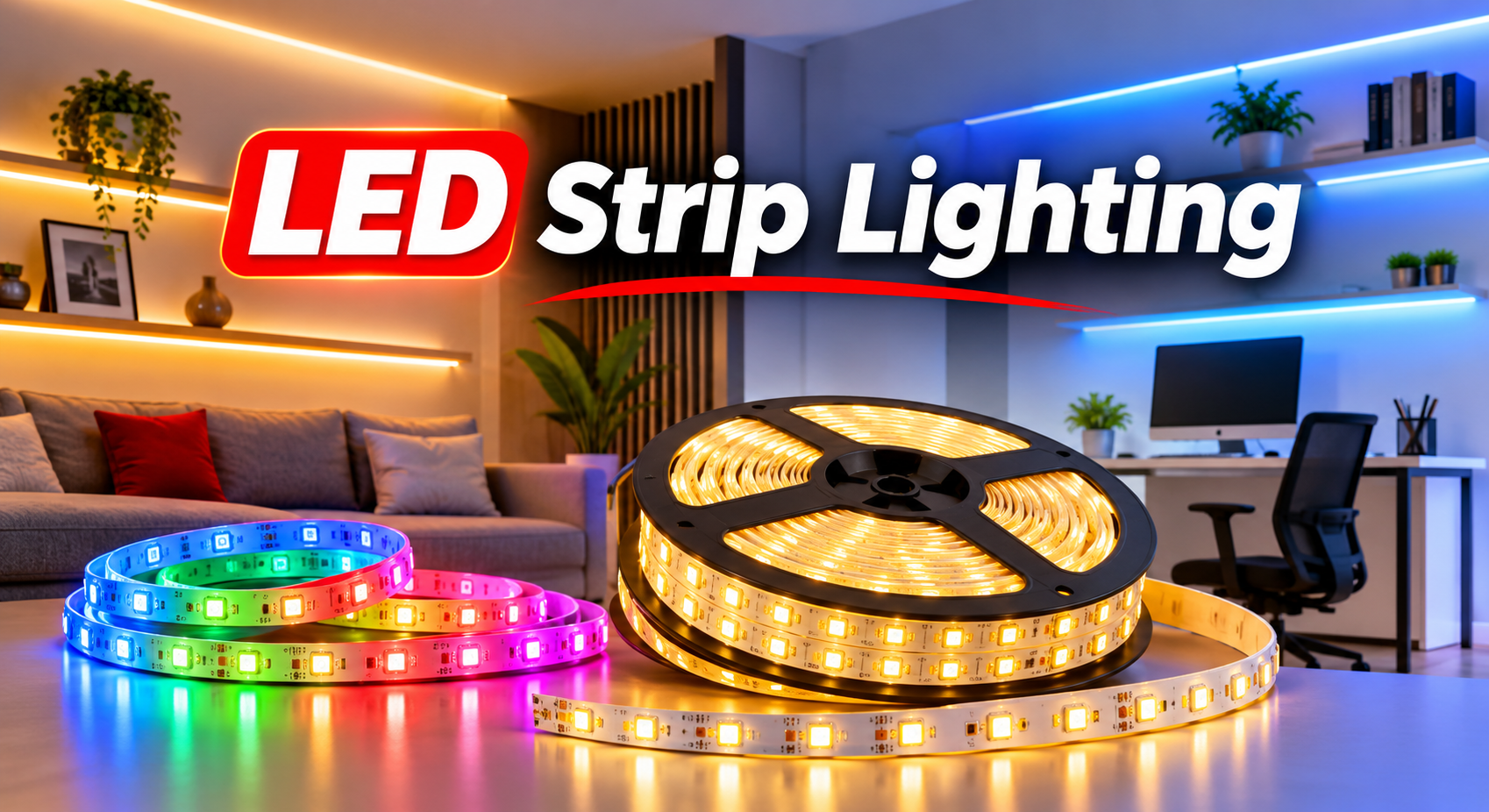
LED strip lighting consists of small light-emitting diodes (LEDs) arranged along a flexible circuit board. These strips are lightweight and can be installed along ceilings, shelves, cabinets and other surfaces. Many options come with an adhesive backing, making installation easier on clean and suitable surfaces.
Unlike traditional lighting fixtures, LED strips can fit into narrow or less accessible areas. This makes them useful for both decorative and functional purposes. Depending on the product, they may provide a single colour or offer multiple colour settings. Their flexible design also makes them suitable for different interior layouts without taking up much space.
Different Types of LED Strip Lighting to Consider
Before choosing LED strip lights, it helps to understand the main types available and where each one works best.
Single-Colour LED Strip Lights
Single-colour LED strips provide consistent lighting in one shade, such as warm white, neutral white or cool white. They are a practical option for spaces where steady illumination is more important than changing colours. For example, they can be used under kitchen cabinets, along bedroom ceilings or around office shelves. Their simple appearance makes them suitable for everyday lighting requirements.
RGB and Colour-Changing LED Strip Lights
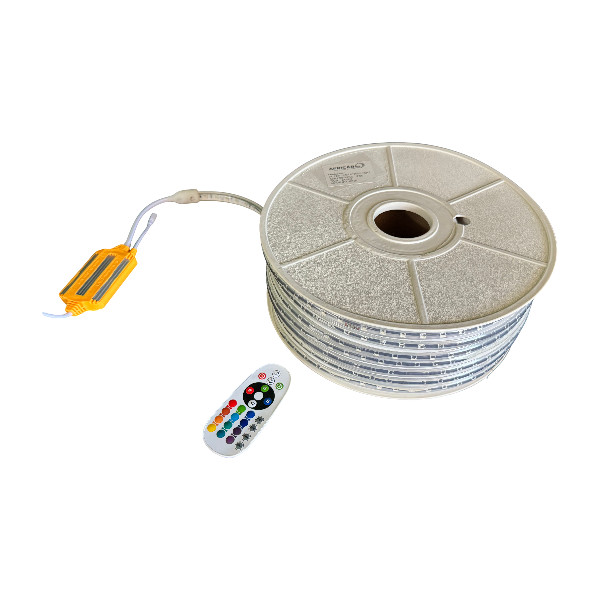
RGB LED strips allow users to change colours according to their preferences. They are often used to create different moods in entertainment areas, bedrooms, display sections and decorative corners. Some models also include remote controls or smart features for adjusting brightness and colour settings. These lights are useful when you want more flexibility in the appearance of a space.
Waterproof LED Strip Lights
Waterproof LED strips are designed for areas where lighting may be exposed to moisture, dust or outdoor conditions. They can be considered for balconies, covered outdoor spaces and other suitable exterior applications. However, not every waterproof strip offers the same level of protection. Checking its IP (Ingress Protection) rating is important because it indicates how well the product is protected against dust and water. This is particularly relevant when selecting indoor and outdoor LED lighting.
Important Factors to Consider When Choosing LED Strip Lighting
Selecting the right LED strip lighting becomes easier when you understand a few important specifications.
Brightness and Lumens
Brightness is one of the first things to consider. It is generally measured in lumens, which indicate the amount of visible light produced. Some manufacturers also mention lumens per metre, which helps compare the brightness of strips of different lengths. If you need lighting for a decorative shelf or ceiling edge, a lower brightness level may be sufficient. However, areas such as kitchen counters or workstations may require stronger illumination. Consider the size of the space and the purpose of the lighting before making a decision.
Colour Temperature
Colour temperature affects how warm or cool the light appears. It is measured in Kelvin (K).
-
Warm white (around 2700K–3000K): Creates a soft and comfortable atmosphere, making it suitable for bedrooms and living rooms.
-
Neutral white (around 3500K–4000K): Provides balanced lighting and works well in kitchens and general-purpose areas.
-
Cool white (around 5000K–6500K): Produces a brighter, cooler appearance and can be useful in offices, workstations and task-oriented spaces.
Choosing the right colour temperature helps maintain a consistent look and comfortable lighting throughout the room.
Power Consumption and Energy Efficiency
LED lights are generally known for their energy-efficient operation compared with many traditional lighting options. However, power consumption can vary depending on the strip's wattage, length and LED density. Check the watts per metre and calculate the total power requirement based on the length you plan to install. It is also important to use a compatible power supply that matches the strip's voltage and wattage requirements. This helps the lighting operate properly and reduces the risk of electrical issues.
Length and Installation Requirements
Measure the area where you plan to install the strip before buying it. This helps you avoid purchasing too little or unnecessarily long lighting. Also, check whether the strip can be cut at designated points and whether additional connectors are needed. The installation surface should be clean, dry and suitable for adhesive fitting. For longer installations, make sure the power supply can handle the total power requirement. Where electrical connections are involved, proper installation by a qualified electrician is advisable.
Where Can You Use LED Strip Lights at Home and in the Office?
One of the biggest advantages of LED strip lights is their ability to fit into different spaces without requiring bulky fixtures.
LED Strip Lighting for Homes
LED strip lights for home interiors can be used under kitchen cabinets to illuminate countertops, along bedroom ceilings for soft ambient lighting and inside wardrobes to improve visibility. They can also highlight living room shelves, decorative corners and staircase edges. For outdoor areas such as balconies, choose products with suitable weather protection. The key is to select brightness and colour temperature according to the purpose of each area.
LED Strip Lighting for Offices
In offices, LED strip lights can add practical illumination and improve the appearance of shared spaces. They can be installed around reception counters, workstations, display shelves and meeting room features. When selecting LED strip lights for office use, focus on comfortable brightness and suitable colour temperatures that support everyday work without creating unnecessary glare. The lighting should complement existing fixtures rather than make the workspace uncomfortably bright.
Common Mistakes to Avoid When Buying LED Strip Lights
A few common mistakes can affect the performance and suitability of your lighting. Choosing a strip based only on appearance without checking its brightness may result in insufficient illumination. Similarly, ignoring waterproof ratings can create problems when installing lights outdoors or in moisture-prone areas. Avoid selecting an incompatible power supply, as this can affect the strip's operation. It is also important to measure the installation area and check connection requirements beforehand. Rather than focusing only on price, compare product specifications, quality and intended use to make a more informed decision.
Conclusion
Choosing the right LED strip lighting involves understanding where it will be installed and what you expect it to do. Brightness, colour temperature, power requirements, length and environmental protection all influence the final choice. Whether you need lighting for a home interior, an office workspace or an outdoor area, considering these factors can help you find a suitable option. Africab offers electrical and lighting solutions worth exploring for different residential and commercial requirements.

Comments
No approved comments yet.