












Electrical Cables in Tanzania: Types, Uses, Benefits, and Buying Guide
Electrical cables are essential for delivering electricity safely and efficiently to homes, commercial buildings, industrial facilities, and infrastructure projects. As Tanzania continues to develop its residential, commercial, and industrial sectors, the demand for reliable electrical wiring and power distribution solutions remains important.
Choosing the right Electrical Cables in Tanzania helps support safe electrical installations, dependable power supply, and long-term system performance. Whether you are building a new home, upgrading an office, installing solar power, or planning an industrial project, selecting cables that meet your electrical requirements is crucial.
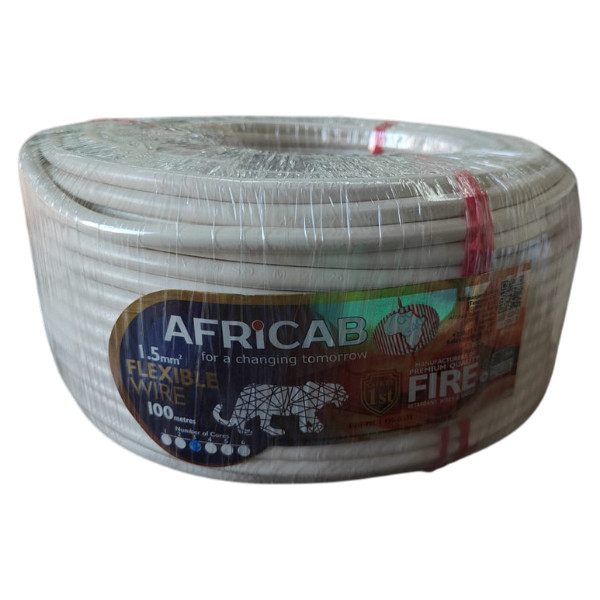
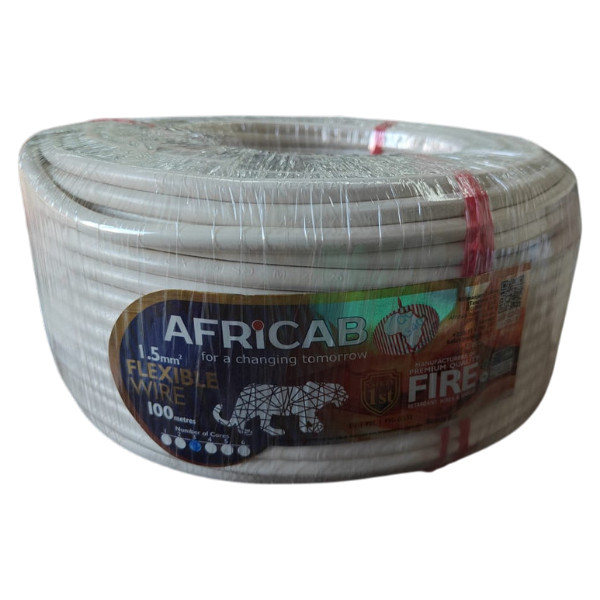
AFRICAB provides electrical solutions for residential, commercial, and industrial applications. Understanding different cable types, their uses, and essential selection factors can help you make informed purchasing decisions.
What Are Electrical Cables?
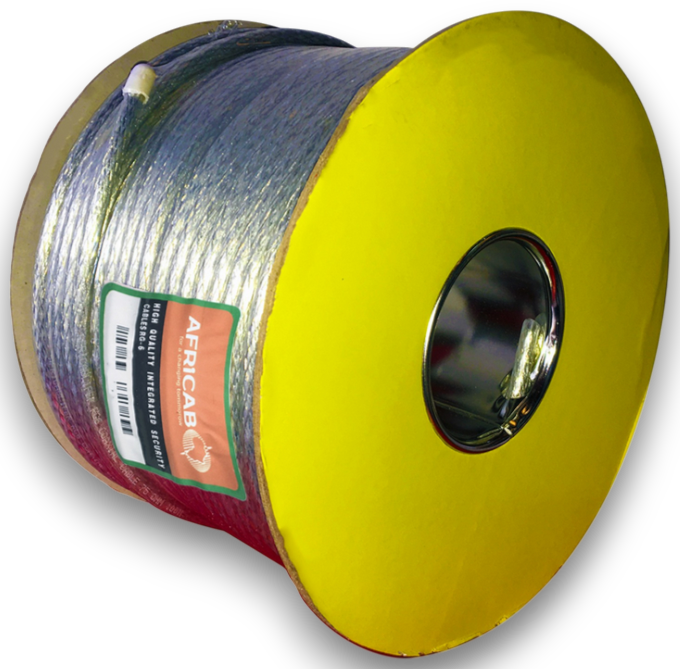
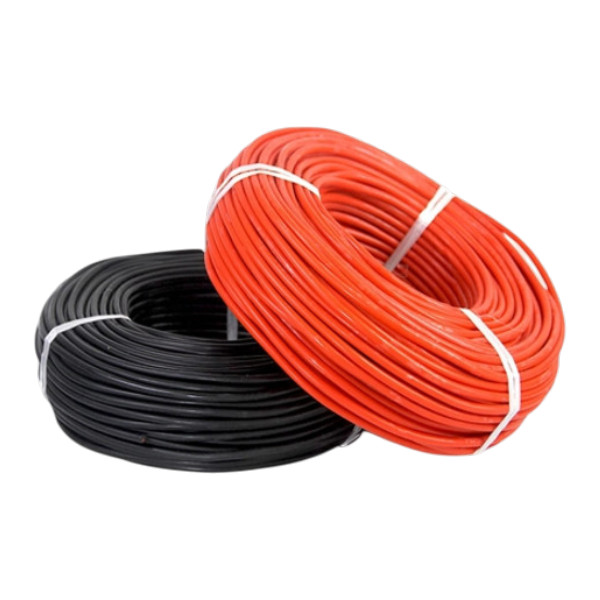
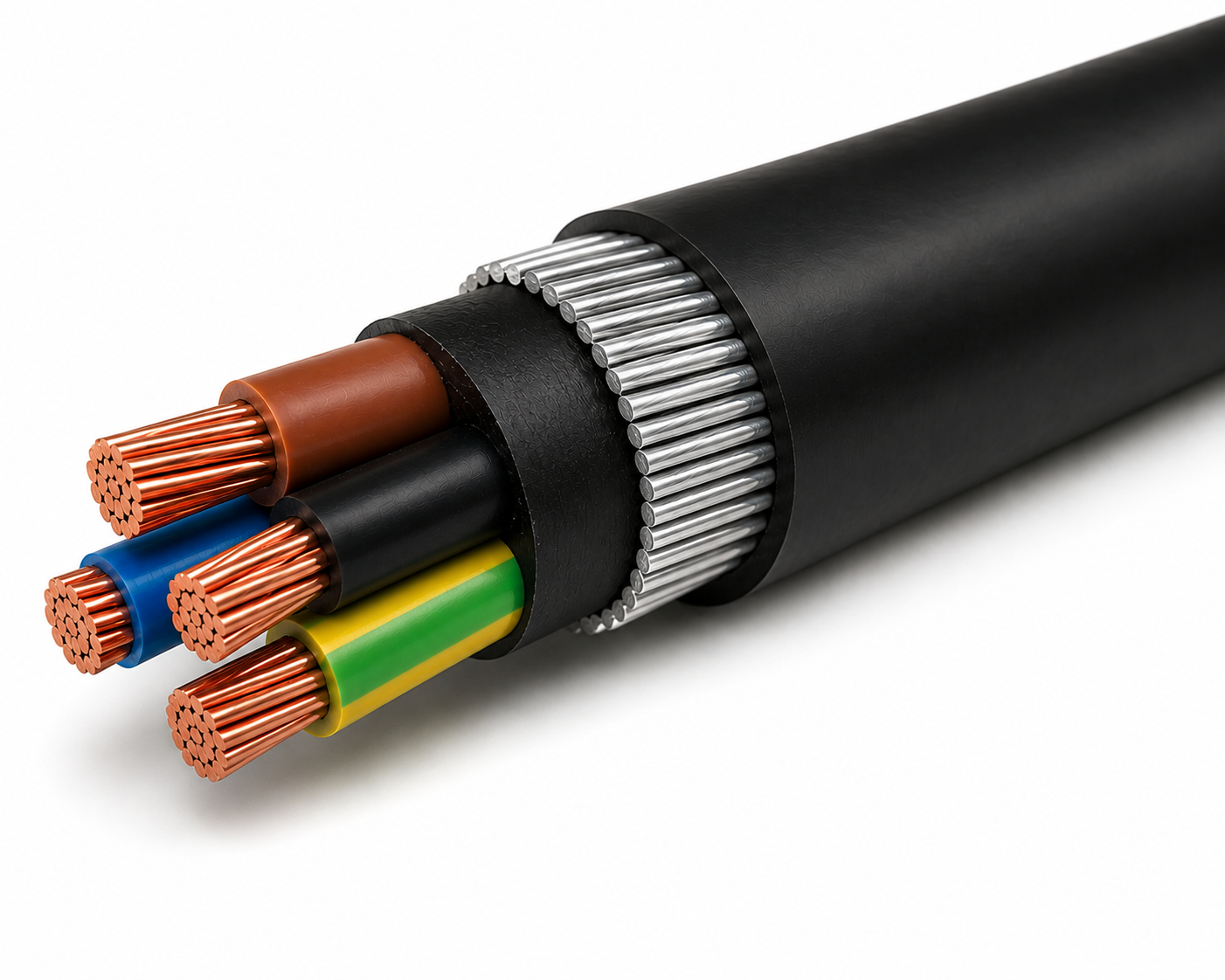
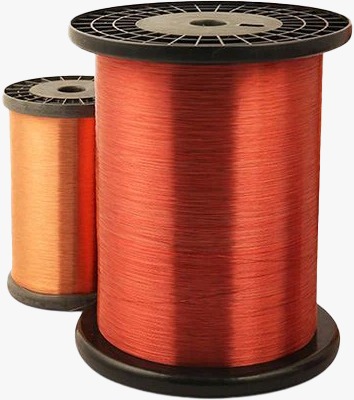
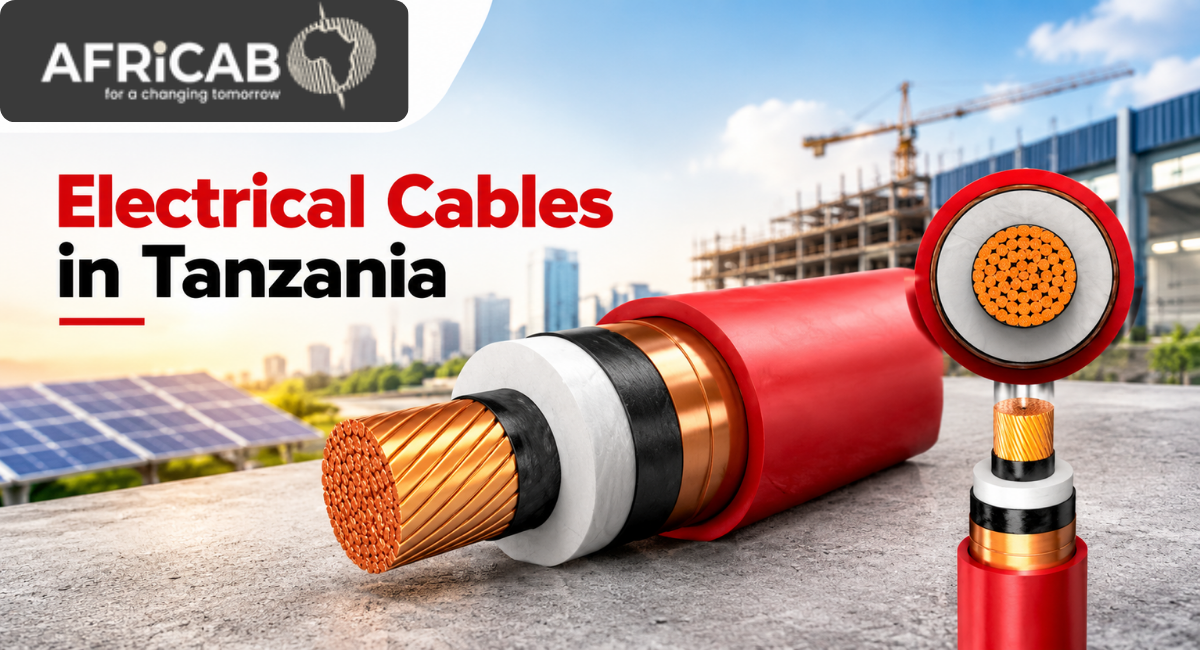
Electrical cables are assemblies of one or more conductors, usually made from copper or aluminium, covered with insulation and, where required, additional protective layers. They carry electrical current from a power source to equipment, lighting systems, sockets, machinery, and other electrical installations.
Different cables are designed for different voltage levels, current capacities, installation environments, and operating conditions. Selecting the correct cable depends on the electrical load, installation method, ambient temperature, and applicable safety standards.
For this reason, electrical cables should always be selected according to project specifications rather than appearance or price alone.
Types of Electrical Cables in Tanzania
Understanding common cable types helps homeowners, contractors, electricians, and project managers choose appropriate products.
1. Copper Electrical Cables
Copper electrical cables are widely used in building wiring and power distribution because copper offers high electrical conductivity and good flexibility in many cable constructions.
These cables are commonly considered for lighting circuits, socket outlets, control systems, and other electrical applications. The correct conductor size and insulation type must be selected according to the intended use.
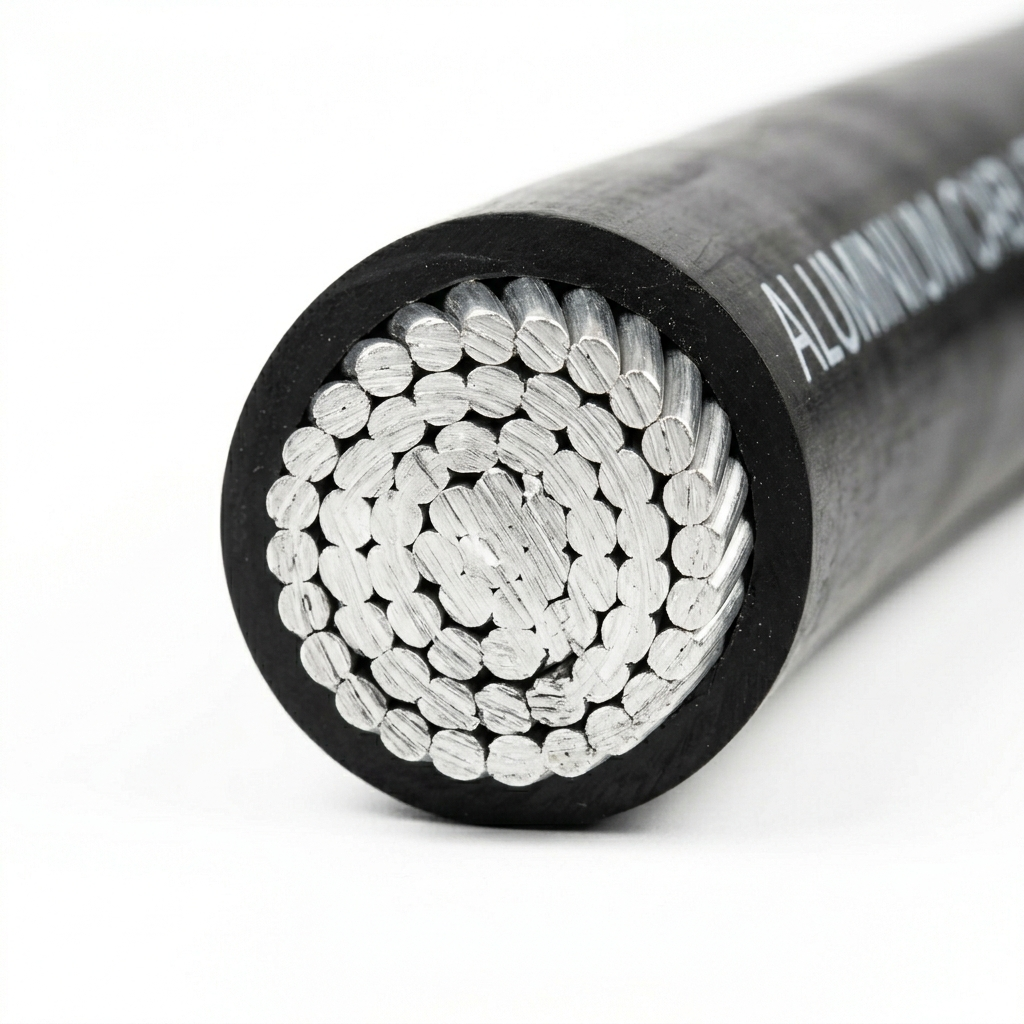
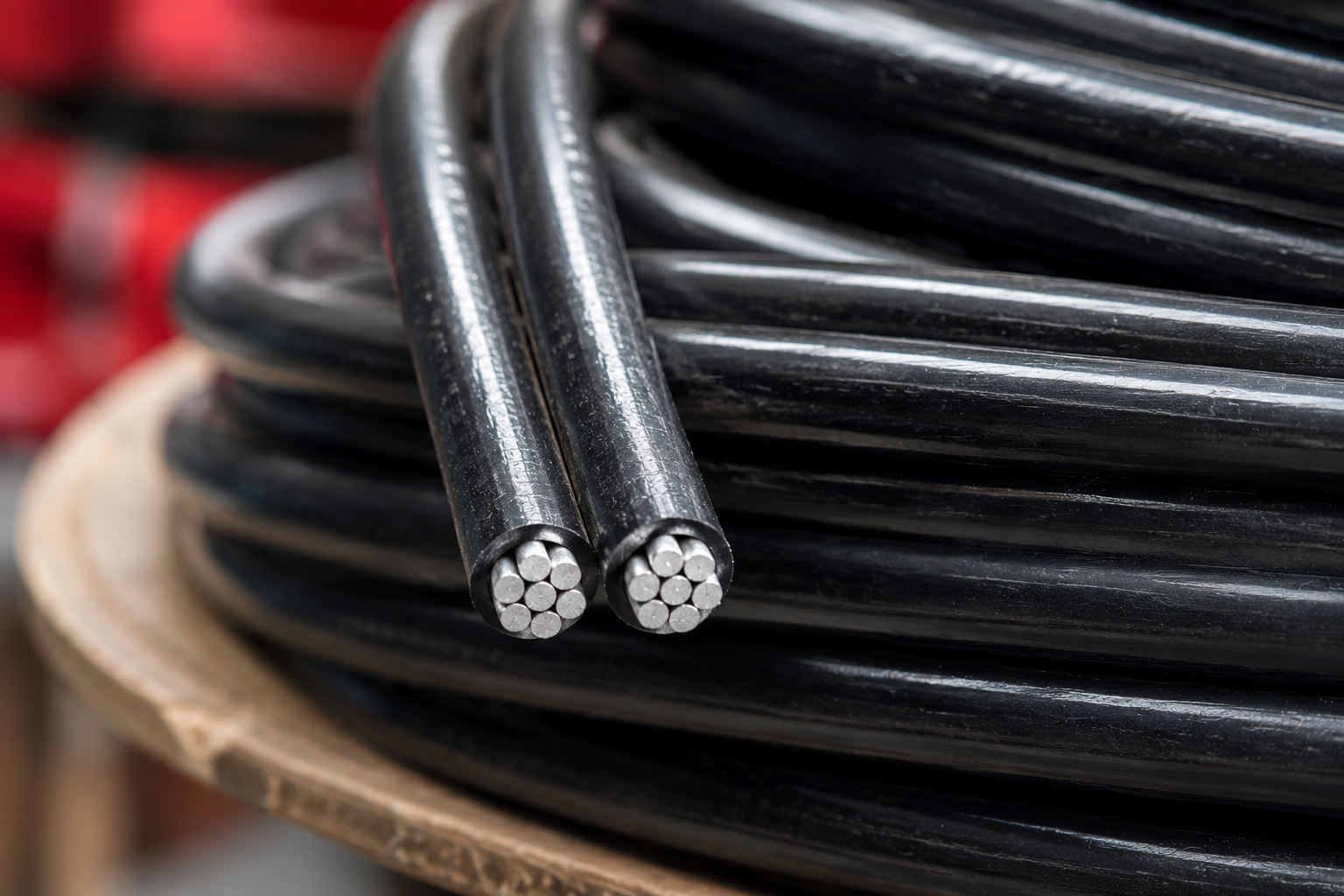
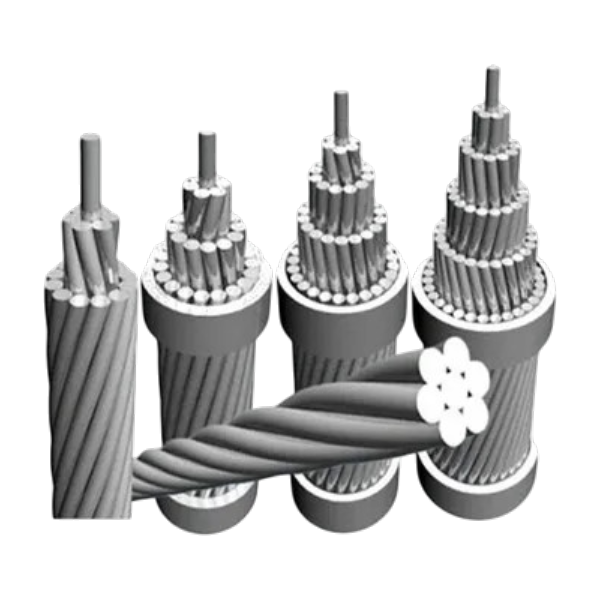
2. Aluminium Power Cables
Aluminium cables are used in various power distribution and infrastructure applications. Aluminium is lighter than copper and may be suitable for certain large-scale installations.
However, conductor size, connection design, termination compatibility, and installation requirements must be carefully considered. Aluminium cables should only be installed using suitable components and approved practices.
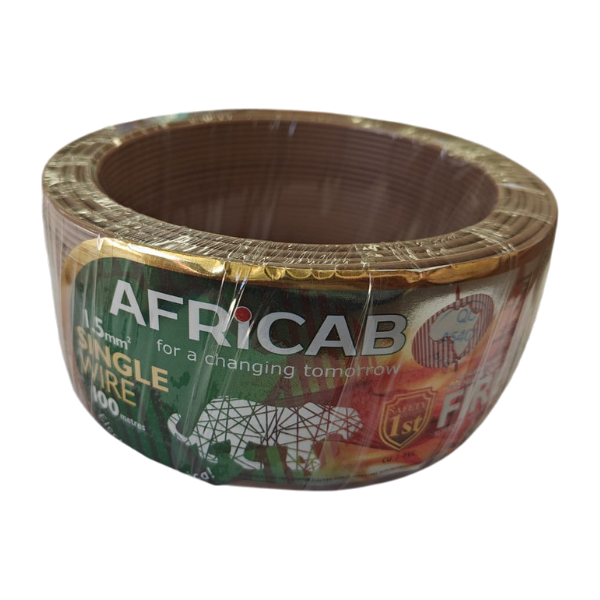
3. Single-Core Cables
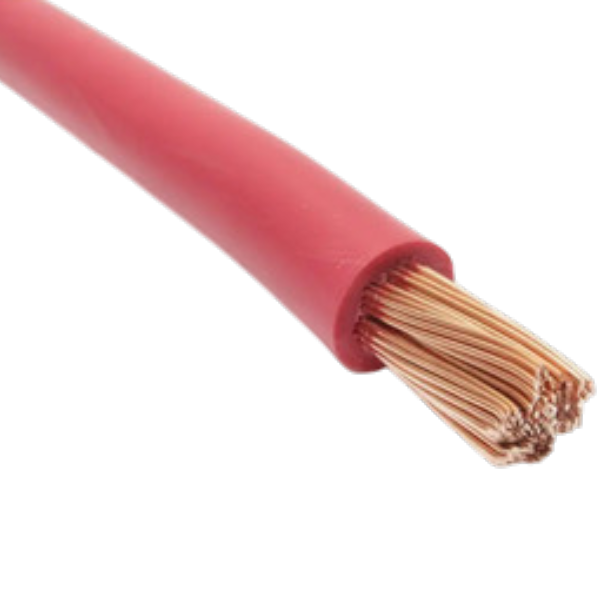
Single-core cables contain one insulated conductor. They are commonly used in electrical distribution boards, control panels, and building wiring systems where the installation design permits their use.
The required conductor size, insulation rating, and routing method depend on the circuit and applicable standards.
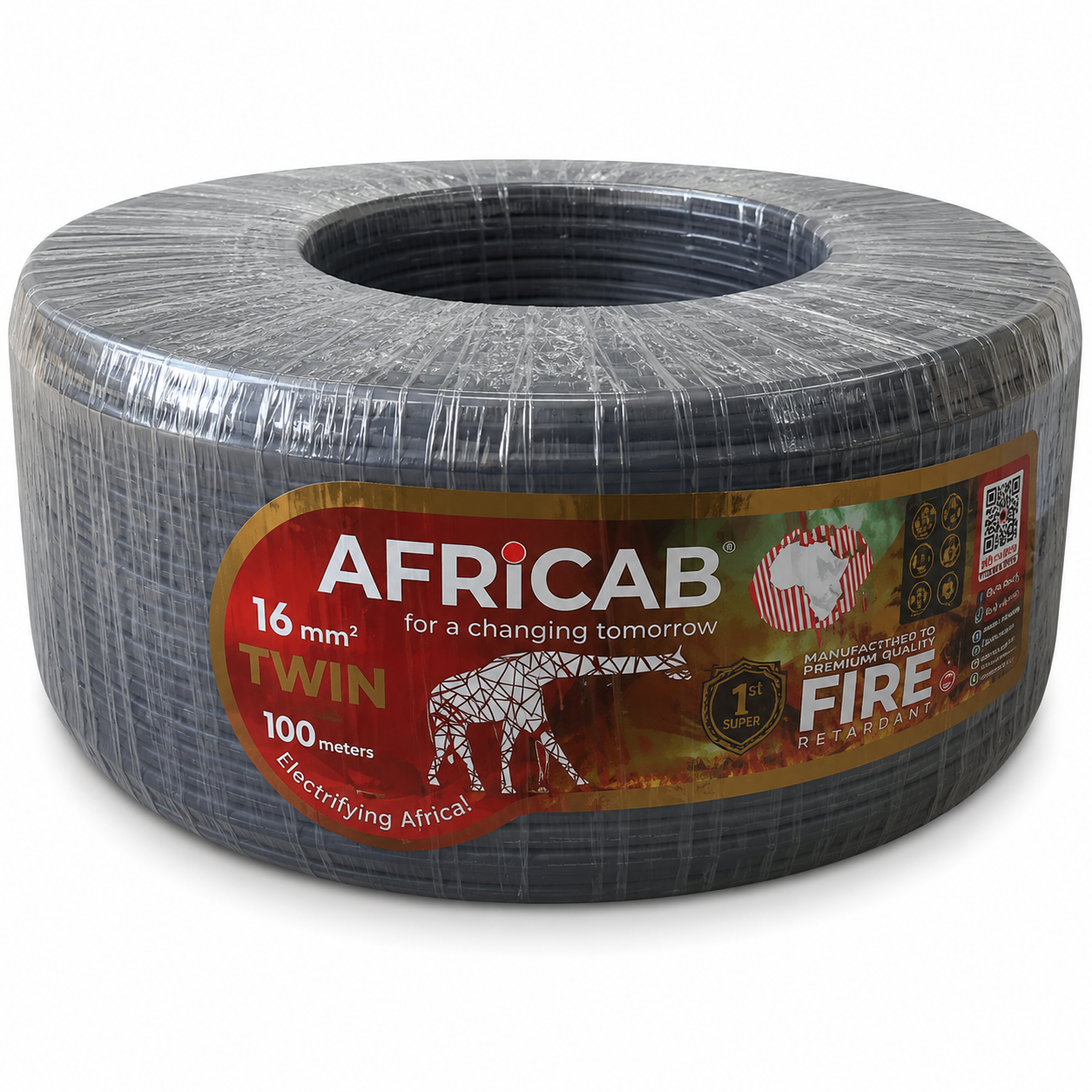
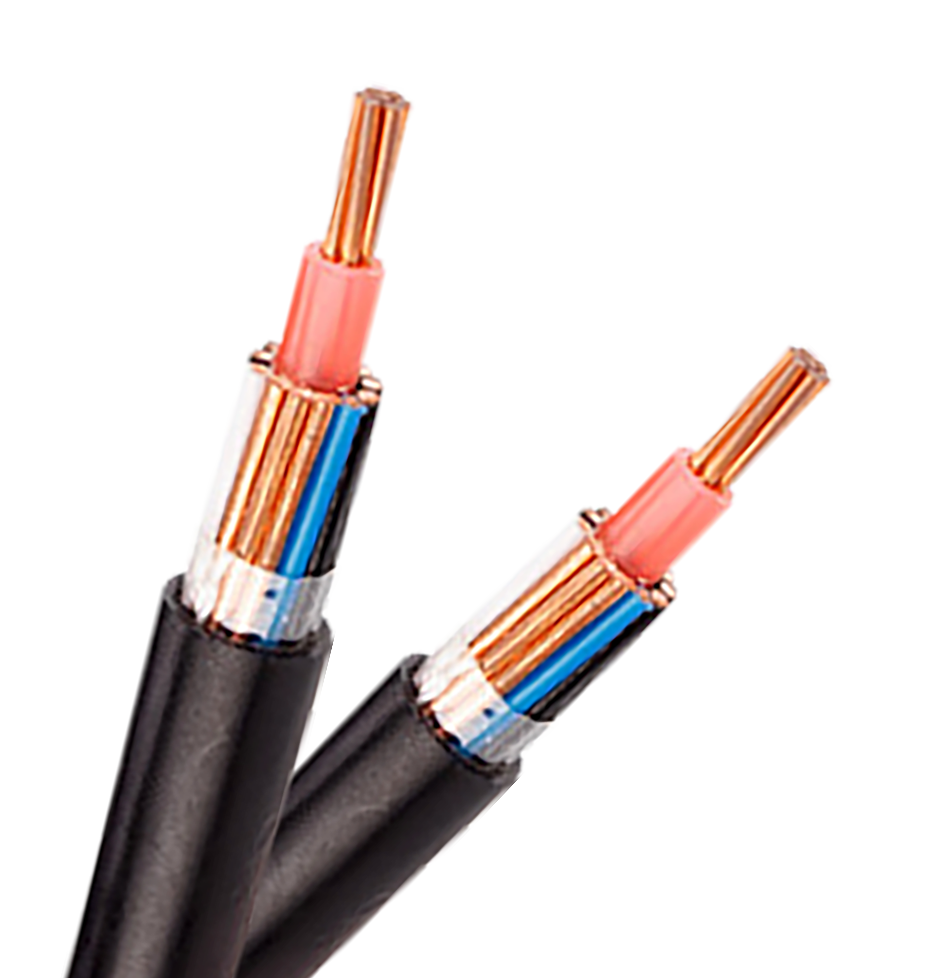
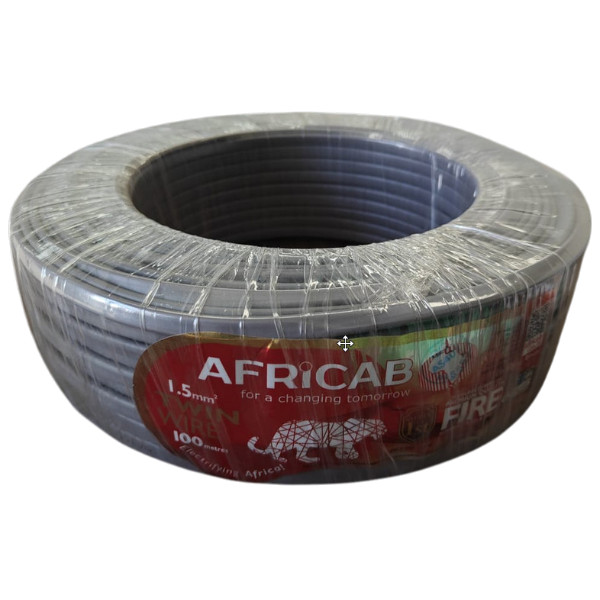
4. Twin-Core and Three-Core Cables
Twin-core and three-core cables contain two or three insulated conductors within a cable assembly, depending on the design.
They may be used in suitable appliances, equipment connections, and other electrical applications. Three-core cables can include a protective earth conductor where the cable design specifies it.
Always check the cable construction and intended application before installation.
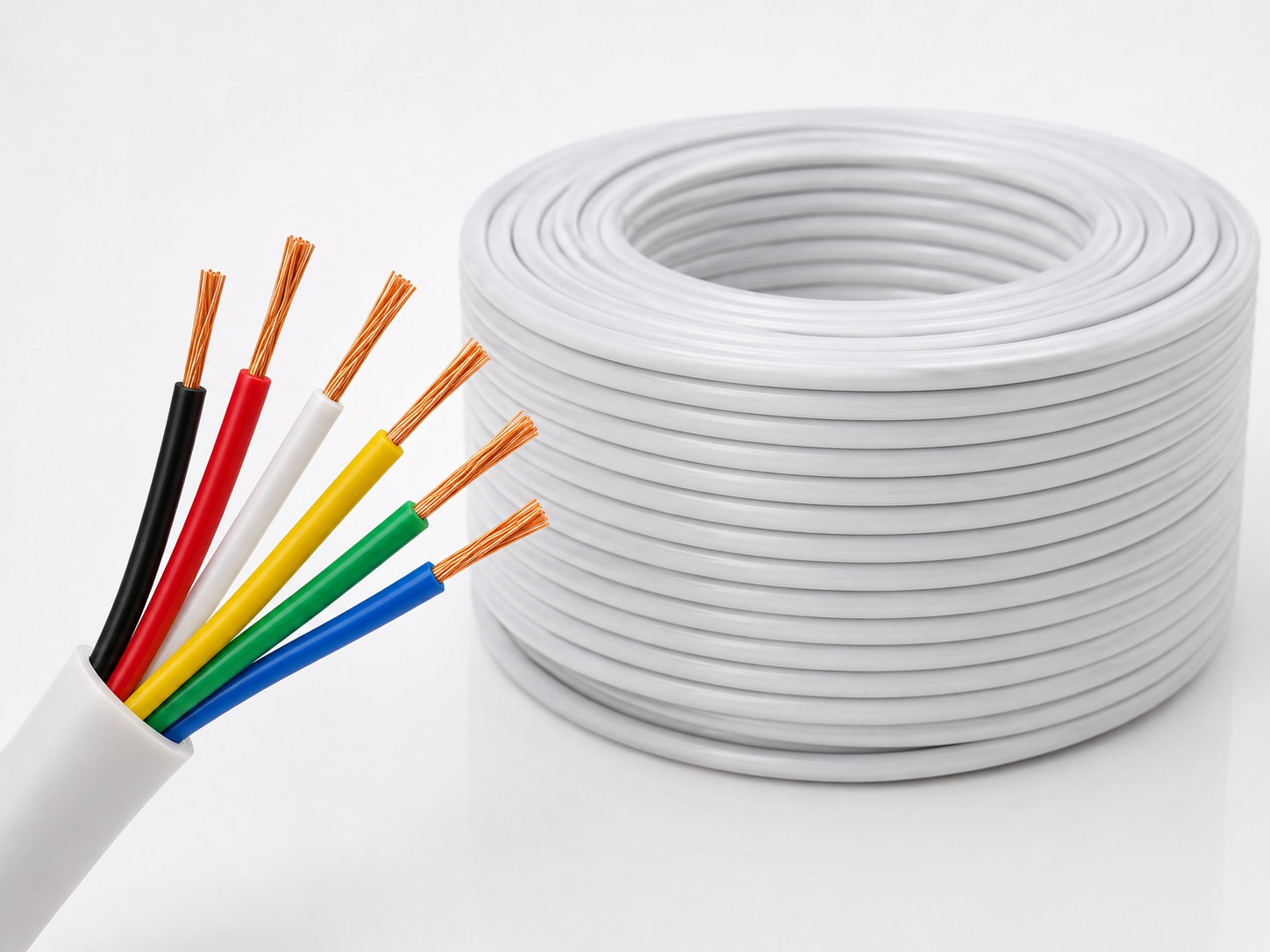
5. Multicore Electrical Cables
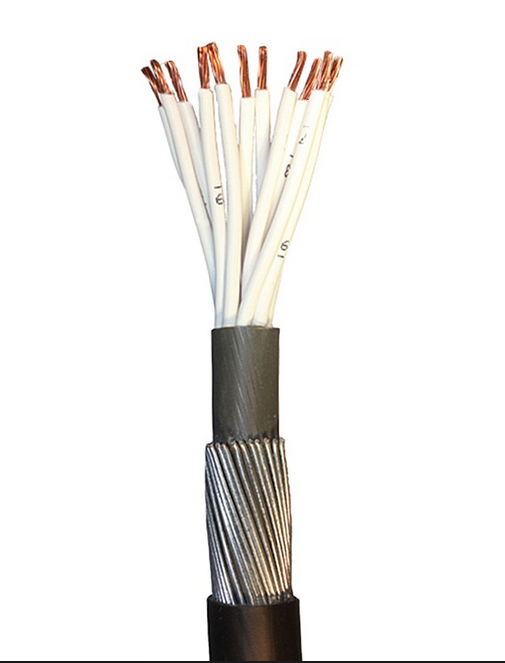
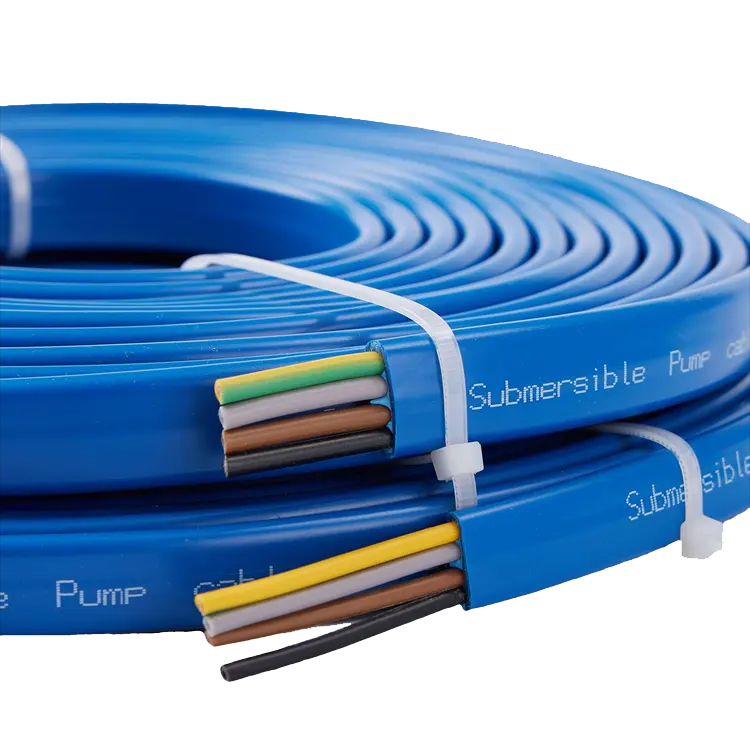
Multicore cables contain several insulated conductors within a common outer sheath. They are used in control systems, equipment connections, industrial installations, and other applications that require multiple conductors.
Their suitability depends on the number of cores, conductor size, voltage rating, flexibility, and environmental conditions.
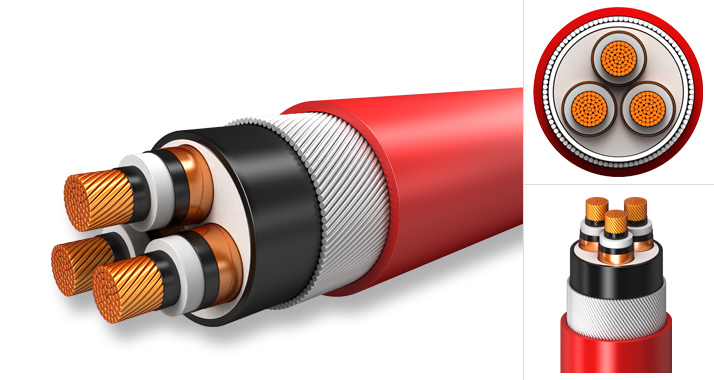
6. Low-Voltage and Medium-Voltage Cables
Low-voltage cables are used in many building installations and electrical distribution systems. Medium-voltage cables are designed for distribution networks and specialised power infrastructure.
These categories have different electrical requirements and insulation designs. Cable selection and installation should be handled by qualified professionals in accordance with applicable standards.
7. Solar Cables
Solar cables are designed for appropriate photovoltaic system connections. Depending on the installation, they may connect solar panels to other system components.
Solar installations require cables specifically suitable for their operating conditions, including exposure to sunlight, temperature variations, and outdoor environments where applicable.
Using the correct cable type helps support the reliability and safety of a solar power system.
Common Applications of Electrical Cables
Electrical cables are used across many sectors in Tanzania.
Residential Buildings
Homes require suitable cables for lighting, sockets, distribution boards, and fixed electrical equipment. Correct cable sizing and professional installation help reduce the risk of overheating and electrical faults.
Commercial Buildings
Offices, shops, hotels, and commercial complexes need electrical cables for lighting, power outlets, air-conditioning systems, and equipment connections. Cable selection should account for the building's electrical demand and future requirements.
Industrial Facilities
Factories, workshops, and production facilities may require power cables, control cables, and specialised cables for machinery and distribution systems. These installations need careful consideration of electrical load and operating conditions.
Solar Power Systems
Solar installations depend on suitable cables for connecting photovoltaic panels and other system components. Cable ratings, connectors, installation routes, and environmental protection must match the system design.
Infrastructure and Power Distribution
Electrical cables support power distribution for buildings, facilities, and infrastructure projects. Medium-voltage and other specialised cables must be selected and installed according to the requirements of the distribution network.
Benefits of Choosing the Right Electrical Cables
Selecting appropriate electrical cables offers several important benefits.
-
Electrical safety: Correct cable sizing and suitable insulation help reduce the risk of overheating and electrical failures.
-
Reliable power delivery: Properly selected cables support dependable operation of electrical equipment.
-
Long-term performance: Cables suited to their installation environment can help reduce premature deterioration.
-
Application flexibility: Different cable types serve residential, commercial, industrial, and solar requirements.
-
Better project planning: Choosing cables according to technical specifications helps avoid unsuitable purchases and costly installation changes.
-
System compatibility: Correct conductor sizes, voltage ratings, and cable constructions help ensure compatibility with the intended electrical system.
Actual performance depends on product quality, correct selection, installation practices, and operating conditions.
How to Choose the Best Electrical Cables in Tanzania
Before buying electrical cables, consider the following factors.
1. Identify the Application
Determine whether the cable is intended for house wiring, lighting, industrial machinery, power distribution, or a solar installation. Each application may require a different cable construction and rating.
2. Select the Correct Cable Size
Cable size is a critical safety factor. It depends on the expected current, cable length, installation method, ambient temperature, grouping with other cables, and permissible voltage drop.
An undersized cable can overheat. A qualified electrician or electrical engineer should determine the appropriate conductor size for the installation.
3. Check the Conductor Material
Copper and aluminium have different electrical and mechanical properties. Choose the material that meets the project's design requirements and ensure that connectors and terminations are compatible.
4. Review Insulation and Voltage Ratings
Check that the cable's voltage rating and insulation are suitable for the electrical system. For outdoor, underground, or industrial installations, additional environmental and mechanical protection may be necessary.
5. Consider Installation Conditions
Cables installed indoors, outdoors, underground, in conduits, or in industrial environments may need different protective characteristics. Check the manufacturer's specifications for the intended installation method.
6. Verify Quality and Standards
Purchase cables with clear product identification, traceable specifications, and appropriate conformity documentation. Where applicable, confirm compliance with relevant Tanzania Bureau of Standards (TBS) requirements and other standards specified for the project.
7. Compare Overall Value
Do not choose electrical cables based on price alone. Consider technical suitability, verified quality, installation requirements, and expected service life.
Where to Find Electrical Cables in Tanzania
When looking for electrical cables in Tanzania, buyers should consider the supplier's product range, technical information, and ability to support the intended application.
AFRICAB is a Tanzania-based provider of electrical, solar, lighting, and safety solutions for residential, commercial, and industrial requirements.
For information about available wires and cables, visit www.africab.co.tz. You can also contact AFRICAB at +255 742 772 200 or [email protected] to enquire about product specifications and availability.
Confirm that the cable type, conductor size, voltage rating, and required certifications meet your project's needs before purchasing.
Frequently Asked Questions
1. Which electrical cables are best for house wiring in Tanzania?
The best cable depends on the circuit, expected electrical load, installation method, and applicable standards. A qualified electrician should determine the correct conductor size and insulation type for each circuit.
2. What is the difference between copper and aluminium electrical cables?
Copper generally offers higher electrical conductivity and is widely used in building wiring. Aluminium is lighter and is used in selected power distribution applications. The appropriate choice depends on the project design and connection requirements.
3. Which cables are suitable for solar installations?
Solar installations require cables specifically rated for the relevant photovoltaic application and environmental conditions. The cable specifications should match the system design and manufacturer recommendations.
4. How can I identify a quality electrical cable?
Check the cable markings, conductor specifications, voltage rating, insulation type, manufacturer information, and relevant conformity documentation. Buy from a reliable supplier and avoid products with unclear specifications.
5. Can I use the same cable for indoor and outdoor installations?
Not necessarily. Outdoor installations may require additional resistance to sunlight, moisture, temperature changes, or mechanical damage. Always check the cable's specifications for the intended environment.
6. Where can I enquire about electrical cables in Tanzania?
You can visit AFRICAB at www.africab.co.tz or contact +255 742 772 200 and [email protected] to enquire about available products and technical specifications.
Conclusion
Choosing the right Electrical Cables in Tanzania is essential for safe wiring, dependable power distribution, and efficient electrical installations. From copper and multicore cables to low-voltage, medium-voltage, and solar cables, every type serves a specific purpose.
By considering conductor size, insulation, voltage rating, installation conditions, and product quality, you can select cables suited to your project.
For electrical and power solutions, explore AFRICAB's website and contact the team to discuss your requirements. Always use qualified electrical professionals for cable selection, installation, and testing.

Comments
No approved comments yet.