






Cable Tie in Tanzania: Types, Uses, Benefits, and Buying Guide
Keeping electrical wires and cables properly organised is essential for residential, commercial, and industrial installations. Loose cables can make an installation look untidy, complicate maintenance, and create problems when wires need to be identified or accessed. A cable tie is a simple yet practical fastening accessory that helps keep cables bundled and organised.
If you are searching for a Cable Tie in Tanzania, understanding the different types, applications, and selection factors can help you choose the right product for your project.
What Is a Cable Tie?
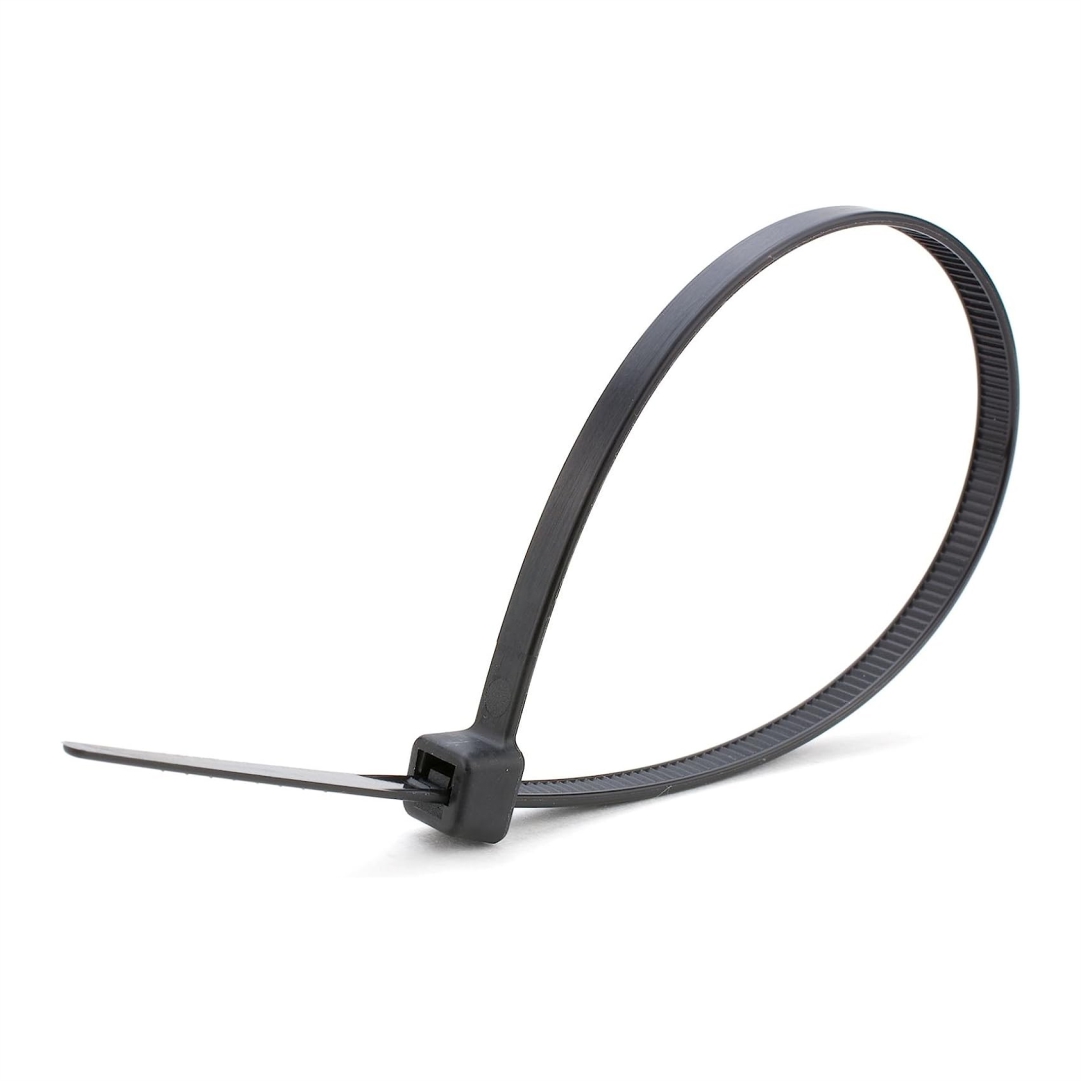
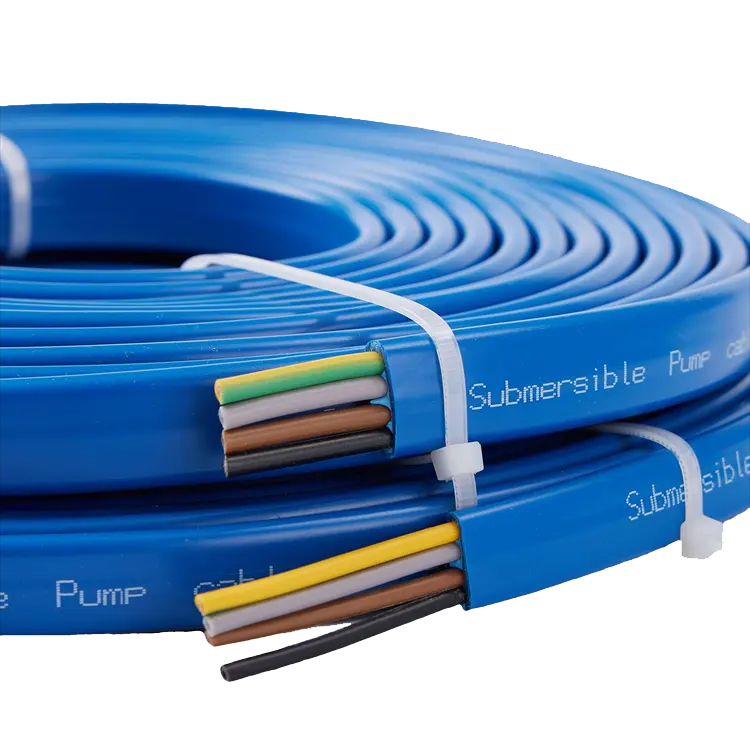
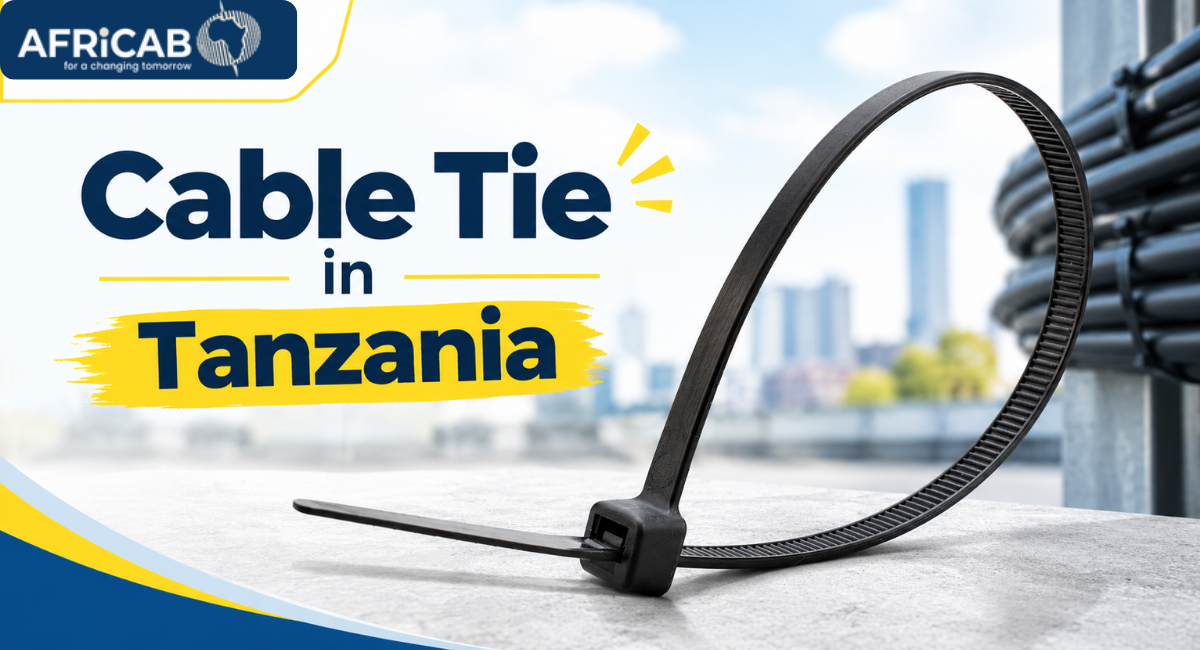
A cable tie, also known as a zip tie or wire tie, is a fastening device used to bundle and secure wires, cables, and other compatible items. Most standard cable ties feature a flexible strap and a locking head that holds the strap in position once tightened.
Cable ties are widely used in electrical installations, construction projects, workshops, offices, telecommunications, and general maintenance. Their simple design makes them convenient for organising cable runs and keeping installations neat.
For electricians, contractors, technicians, and homeowners in Tanzania, selecting the correct cable tie can make everyday cable management easier.
Types of Cable Ties Available
Different applications require different cable tie designs and materials. Understanding the available options helps you make a suitable choice.
1. Nylon Cable Ties
Nylon cable ties are commonly used for general cable management. They are available in different lengths, widths, and strength ratings to suit different bundle sizes and applications.
They are often used for organising electrical wiring, computer cables, and general-purpose fastening. Always check the product specifications before selecting a tie for a particular environment.
2. Black Cable Ties
Black cable ties are popular for cable management in workshops, outdoor installations, and utility areas. Some black ties are manufactured with UV-resistant materials or additives that improve resistance to sunlight.
However, colour alone does not guarantee UV resistance. Check the manufacturer's specifications when choosing cable ties for outdoor use in Tanzania.
3. White or Natural Cable Ties
White or natural-coloured cable ties are commonly used for indoor cable organisation, electrical panels, offices, and equipment wiring. Their appearance can suit installations where a neutral finish is preferred.
Choose a tie with suitable dimensions and strength for the intended application.
4. Releasable Cable Ties
Releasable cable ties feature a mechanism that allows the lock to be opened, making them useful when cable bundles may need adjustment or maintenance.
They can be practical for temporary arrangements and applications where wires need to be accessed again.
5. Heavy-Duty Cable Ties
Heavy-duty cable ties are designed for applications that require greater holding strength. Depending on the product, they may be used for larger cable bundles, industrial equipment, or demanding fastening tasks.
Always match the tie's rated strength to the intended load and installation conditions.
Common Uses of Cable Ties in Tanzania
Cable ties are useful across many industries and everyday applications.
Electrical Installations
Electricians use cable ties to bundle and organise wires in suitable installations. They can help keep wiring arrangements neat and make maintenance easier when used appropriately.
Construction Projects
Construction teams may use cable ties for organising compatible cables, securing temporary arrangements, and managing materials during project work.
Solar Power Systems
Cable ties can help organise suitable solar wiring along approved routes. For outdoor solar installations, choose products specifically rated for sunlight exposure and the relevant environmental conditions.
Cable ties should not replace the proper supports, protective conduits, or fastening systems required by the installation.
Offices and Computer Networks
Computer cables, network wires, and power cords can become tangled behind desks and equipment. Cable ties help group compatible cables and improve the appearance of workspaces.
Industrial and Workshop Applications
Workshops and industrial facilities use cable ties for selected cable-management and general fastening tasks. The appropriate material and strength depend on the equipment, temperature, vibration, and working environment.
Home Organisation
Cable ties can also be used to organise suitable household cords, secure lightweight items, and manage cables around entertainment systems and workstations.
Benefits of Using Quality Cable Ties
Choosing a suitable cable tie offers several practical advantages.
1. Better Cable Organisation: Cable ties help keep wires and cords grouped neatly instead of tangled together.
2. Easier Maintenance: Properly organised cable bundles can be easier to inspect, trace, and manage during maintenance.
3. Convenient Application: Standard cable ties are generally straightforward to apply and can be useful for many everyday fastening tasks.
4. Multiple Size Options: Different lengths and strengths allow users to select products for small wire bundles or larger compatible applications.
5. Versatile Uses: Cable ties are useful in electrical work, construction, networking, workshops, and general organisation.
6. Professional Appearance: Neatly grouped cables can contribute to a cleaner and more organised installation.
How to Choose the Right Cable Tie in Tanzania
Before buying a cable tie, consider these important factors.
-
Length and width: Select a size that fits comfortably around the bundle without leaving excessive loose material.
-
Holding strength: Check the manufacturer's tensile-strength rating and make sure it suits the intended application.
-
Material: Choose a material appropriate for the temperature, moisture, chemicals, and other conditions where the tie will be used.
-
UV resistance: For outdoor installations, verify that the product is rated for the expected sunlight exposure.
-
Locking mechanism: Decide whether a standard locking tie or a releasable design better suits your maintenance requirements.
-
Installation method: Avoid excessive tightening, which may damage cable insulation or the items being secured.
-
Product specifications: Check the manufacturer's information and applicable standards for the intended use.
For electrical work, cable ties should be used only where appropriate and should not replace approved cable supports or protective systems.
Cable Tie Price in Tanzania
The price of a cable tie in Tanzania depends on its size, material, strength rating, design, quantity, and supplier. Standard cable ties may be sold in multipacks, while specialised or heavy-duty options can have different prices.
If you are buying cable ties for an electrical installation, construction project, workshop, or business, compare the specifications rather than choosing solely by price.
For bulk orders, it is also useful to confirm pack quantities, stock availability, and the required dimensions before purchasing.
Why Choose AFRICAB for Electrical Products in Tanzania?
AFRICAB provides electrical products, lighting solutions, solar products, and safety equipment for residential, commercial, and industrial customers in Tanzania.
When sourcing cable-management accessories, it is important to confirm product availability and specifications to ensure the selected item suits your application. Contact AFRICAB to enquire about its current electrical product range and available solutions.
Contact AFRICAB
Website: https://africab.co.tz/
Email: [email protected]
Phone: +255 742 772 200
Location: Africab Business Park, Kilwa Road, Kurasini, Dar es Salaam, Tanzania.
Frequently Asked Questions About Cable Ties
What is a cable tie used for?
A cable tie is used to bundle, organise, and secure compatible wires, cables, and other items. It is commonly used in electrical installations, offices, construction, workshops, and home organisation.
Which cable tie is suitable for outdoor use?
Choose a cable tie whose manufacturer explicitly confirms suitability for outdoor conditions and UV exposure. Check the temperature and environmental ratings before installation.
Are cable ties reusable?
Standard cable ties generally lock permanently and must be cut for removal. Releasable cable ties can be opened and reused when their design and condition permit.
How do I choose the correct cable tie size?
Consider the diameter of the bundle, the tie's length and width, and its rated holding strength. The tie should secure the bundle without damaging the cables.
Where can I find cable ties in Tanzania?
Contact electrical suppliers such as AFRICAB to enquire about current product availability, specifications, and purchasing options.
Conclusion
Cable ties are small but useful accessories for organising cables and managing compatible fastening tasks. From indoor wiring and office networks to construction and solar installations, the right cable tie can help keep workspaces and installations neat.
If you are looking for a Cable Tie in Tanzania, compare the product's size, strength, material, and environmental rating before purchasing. Choosing the correct cable tie for the application supports better cable management and helps maintain a professional installation.

Comments
No approved comments yet.