



Multi Plug in Tanzania: Everything You Need to Know
From bustling Dar es Salaam homes to remote off-grid lodges, multi plugs are becoming an essential part of Tanzania's electrical landscape.
What is a multi plug?
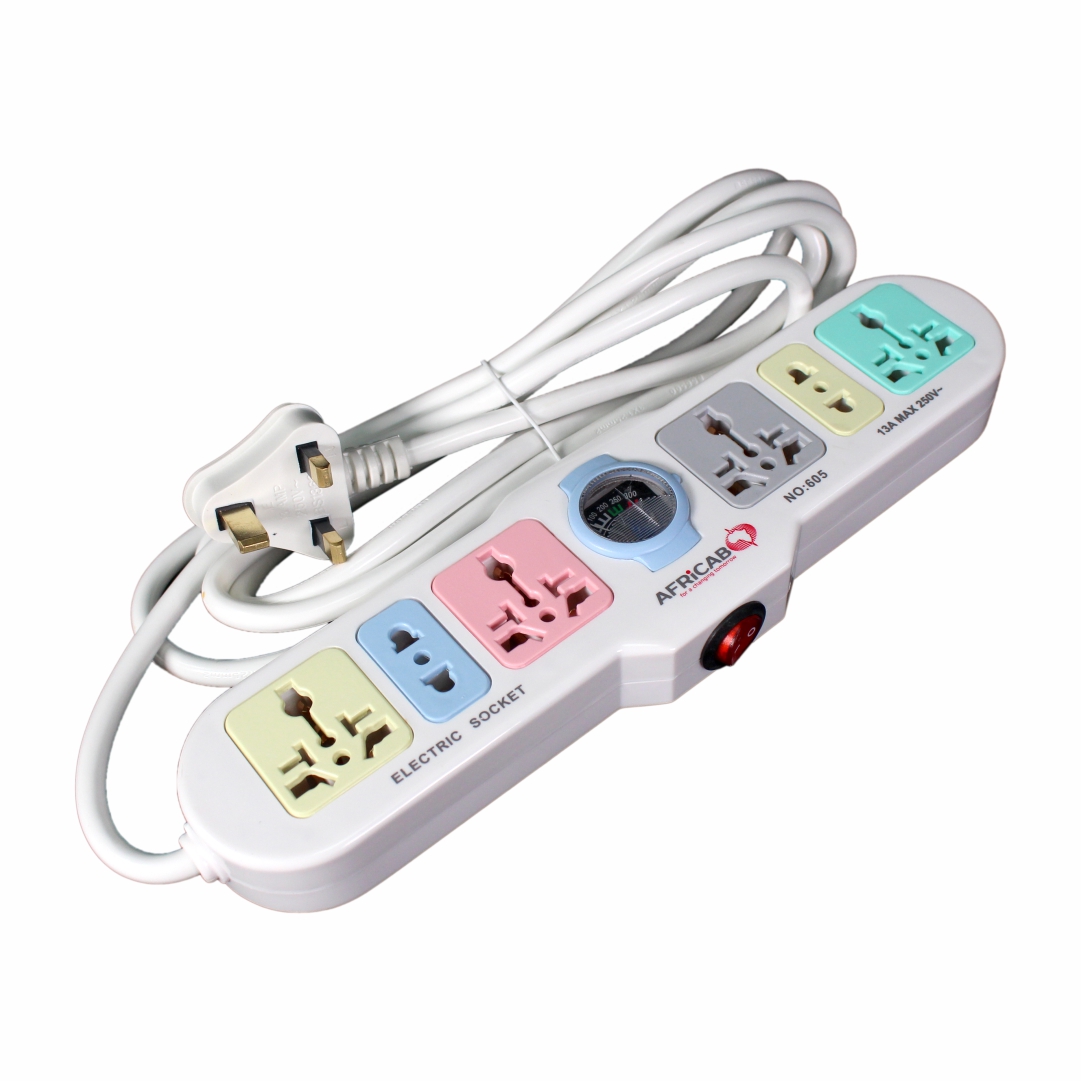
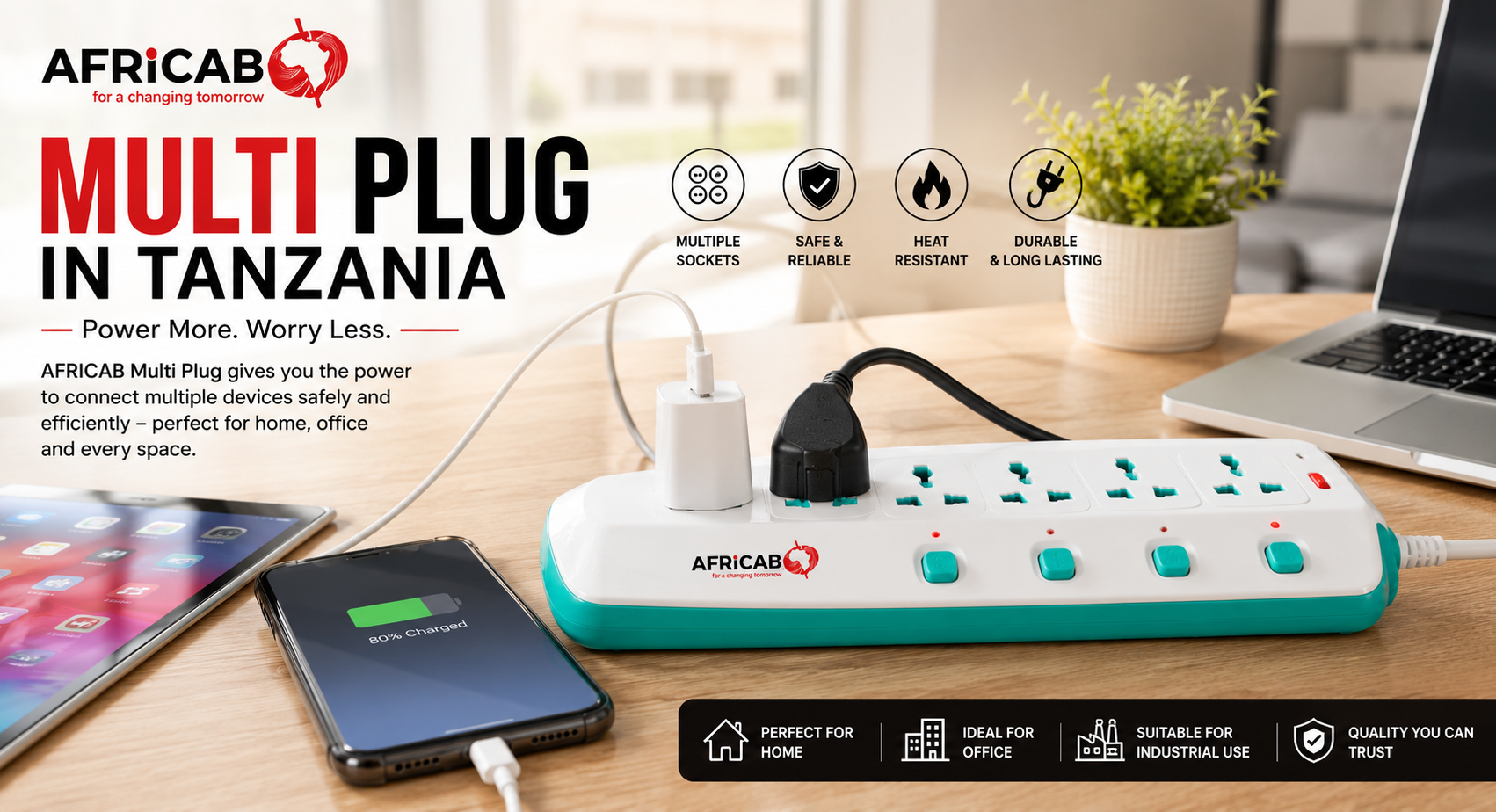
A multi plug — also called a power strip, extension block, or multi-socket adapter — is an electrical device that expands a single wall outlet into multiple sockets, allowing several appliances to be powered simultaneously from one point. They range from simple two-socket adapters to surge-protected power strips with USB charging ports and individual switches per socket.
In a country where wall outlets are often limited in number and electrical infrastructure is still expanding, multi plugs are not a luxury — they are a daily necessity.
Tanzania's electrical context
To understand the demand for multi plugs in Tanzania, you first need to understand the country's electrical environment.
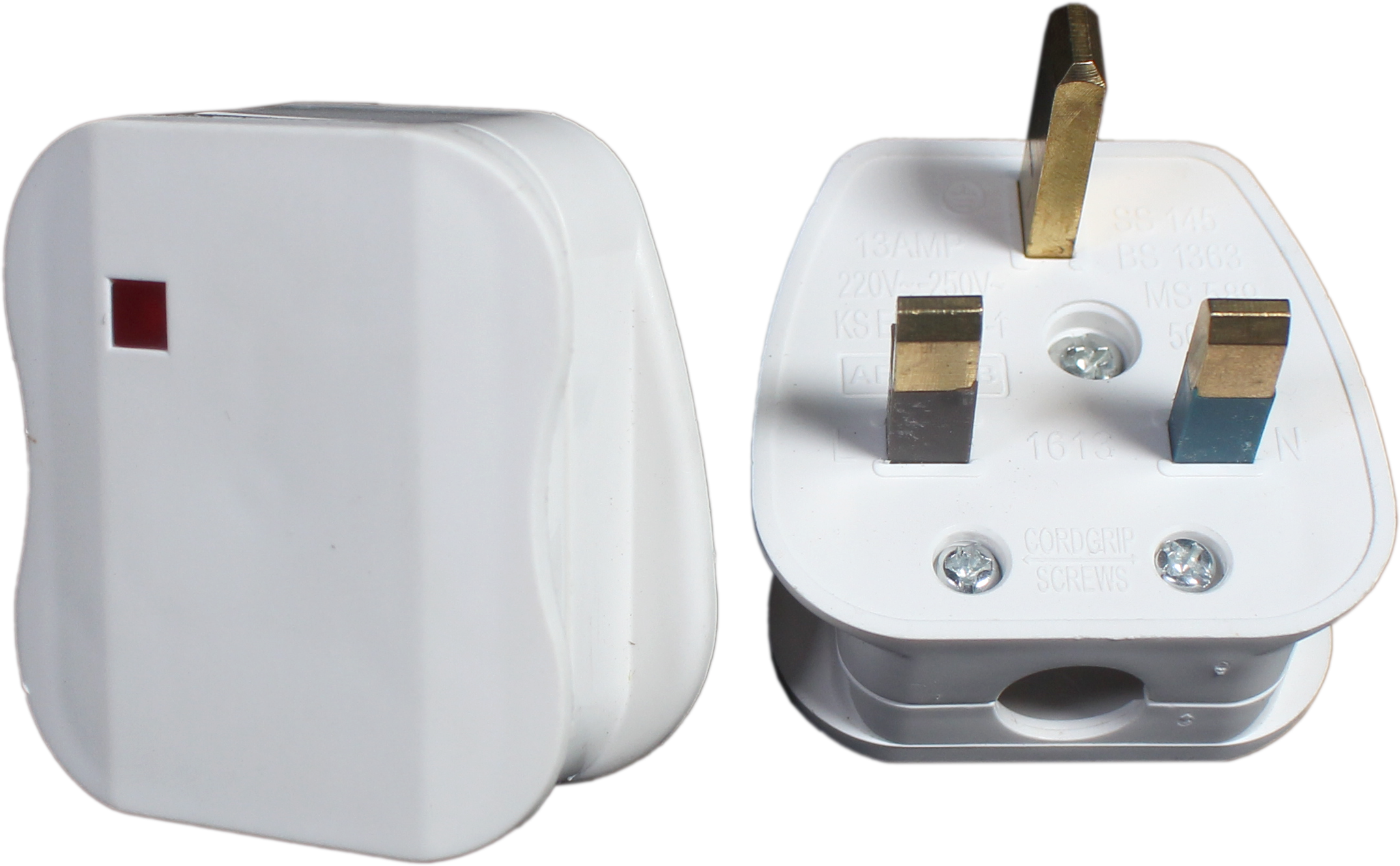
Tanzania operates on 230V / 50Hz electricity, using British-standard Type G three-pin sockets — the same large rectangular-pin configuration used across much of East Africa and the UK. However, older buildings, particularly in Zanzibar and upcountry towns, may still feature round-pin Type D or Type C sockets inherited from earlier infrastructure eras.
Power supply reliability varies significantly. Dar es Salaam and major urban centres receive relatively stable grid power from TANESCO (Tanzania Electric Supply Company), though load shedding and voltage fluctuations remain occasional realities. Rural and peri-urban areas often experience more frequent outages, driving demand for multi plugs compatible with solar home systems and generator outputs.
Why multi plugs matter in Tanzania
Several converging trends have driven multi plug demand sharply upward:
Rising smartphone and device ownership — Tanzania's mobile penetration has surged past 80%. Most households now manage multiple phones, tablets, and portable speakers that all need charging simultaneously.
Growth of home offices and remote work — Post-pandemic work habits have taken root. Urban professionals in Dar es Salaam, Arusha, and Dodoma increasingly need to power laptops, monitors, routers, and accessories from limited desk outlets.
Hospitality and tourism sector — Tanzania welcomes over 1.5 million tourists annually. Hotels, safari lodges, and guesthouses invest in multi plugs and universal adapter strips to serve international guests arriving with European, American, and Asian plugs.
Small business and retail — Kiosks, salons, tailoring shops, and small restaurants routinely run multiple appliances — refrigerators, music systems, fans, tills — from a single circuit point, making multi plugs essential operational tools.
Student accommodation — University campuses in Dar es Salaam, Morogoro, and Mwanza house thousands of students who share rooms and need to charge and power multiple devices from minimal socket infrastructure.
Types of multi plugs available in Tanzania
The Tanzanian market stocks a broad range of multi plug types:
Basic socket strips — Two to six Type G sockets in a row, no surge protection, no individual switches. Common in hardware shops and general stores. Affordable and widely available but offer no protection against voltage spikes.
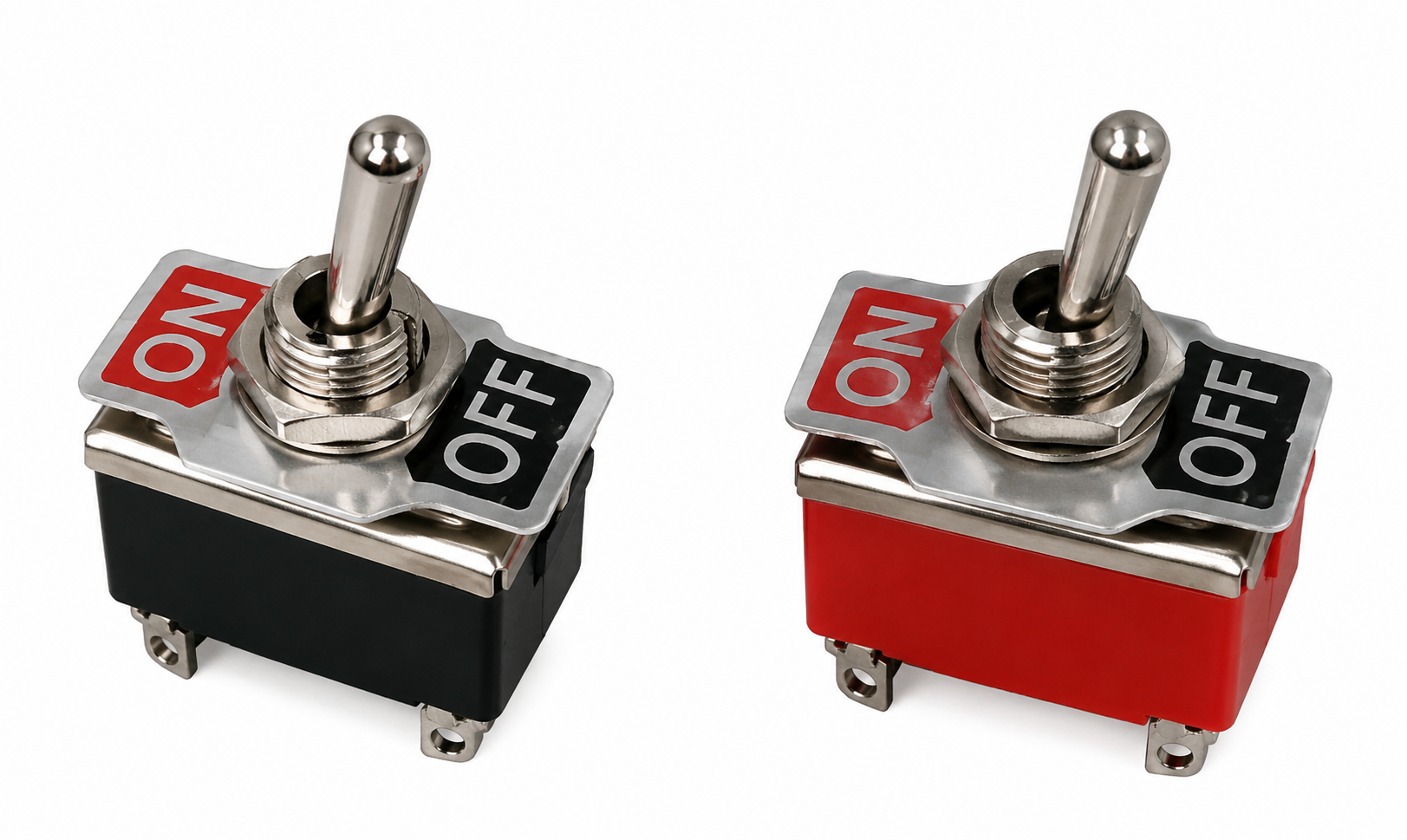
Switched multi plugs — Each socket has its own on/off switch, allowing individual appliances to be powered down without unplugging. Popular in offices and workshops where certain equipment should not be left on standby.
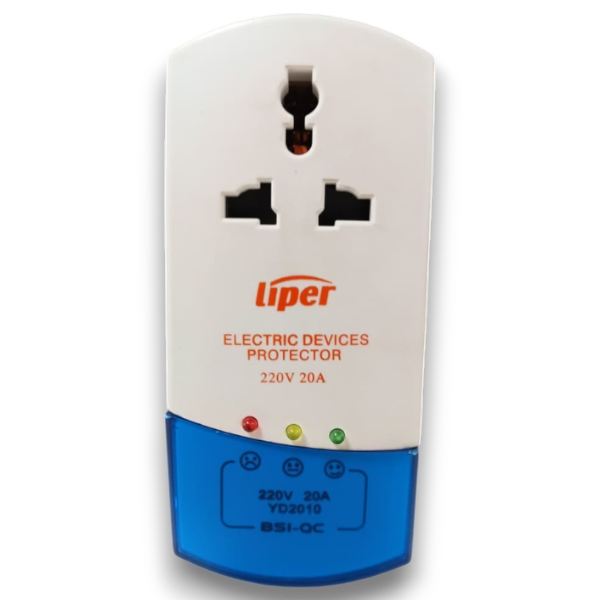
Surge-protected power strips — Built-in metal oxide varistors (MOVs) absorb voltage surges before they reach connected devices. Increasingly sought after in Tanzania given occasional grid instability. Essential for protecting computers, TVs, and medical equipment.
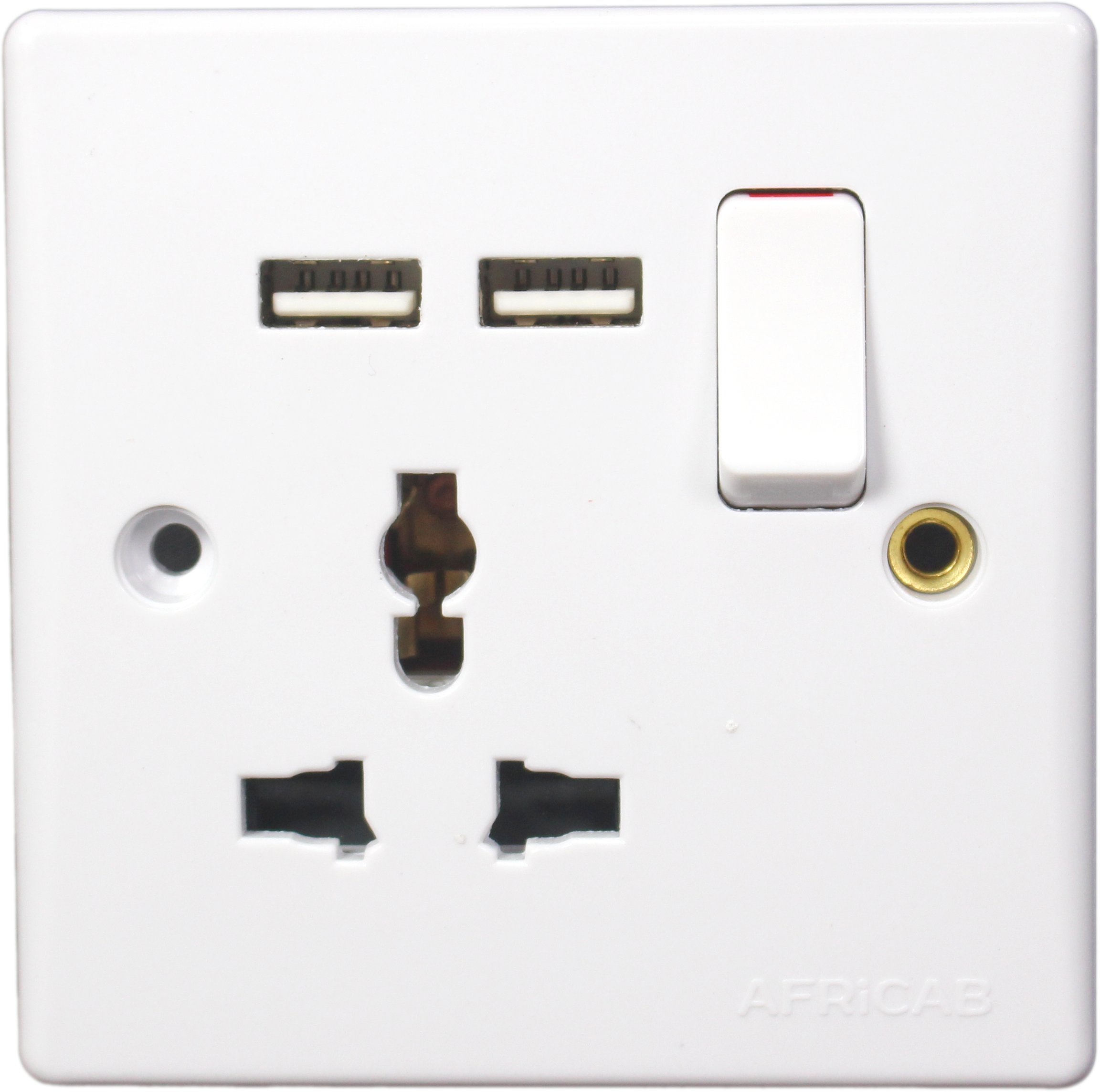
USB multi plugs — Combine traditional sockets with USB-A and USB-C charging ports. Popular with younger consumers and in hospitality settings where guests need to charge phones without carrying adapters.
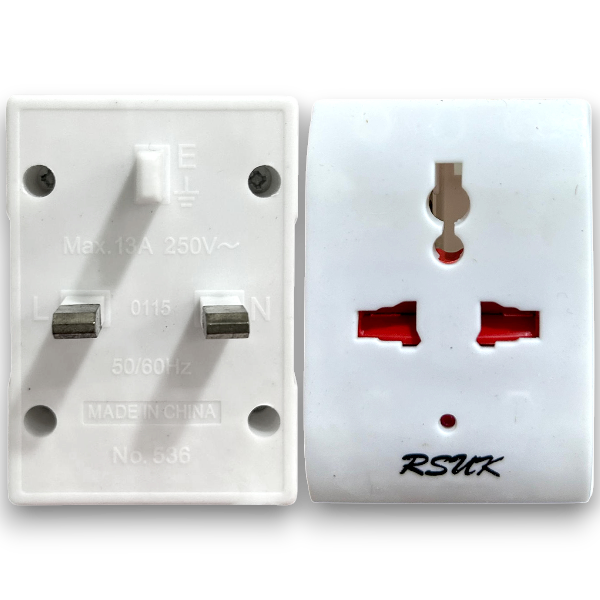
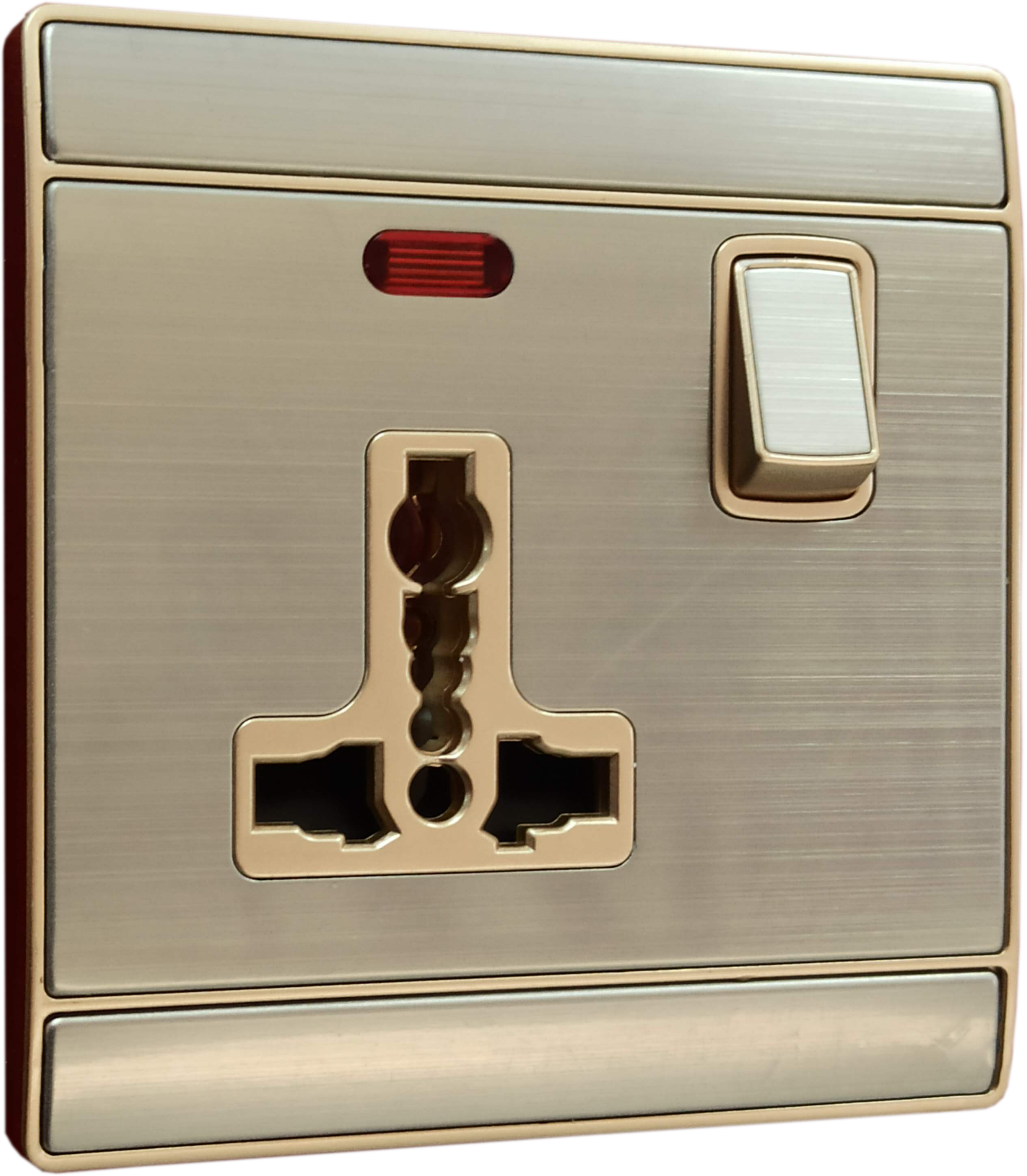
Universal travel adapter multi plugs — Accept Type A, B, C, E, F, and G plugs in their sockets, making them ideal for hotels serving international guests or for Tanzanians who travel frequently.
Inline multi plugs (T-adapters) — Compact block adapters that sit directly on the wall outlet and provide two or three additional sockets. Space-efficient but add leverage stress to the wall fitting — not recommended for heavy appliances.
Safety standards and what to look for
The Tanzanian Bureau of Standards (TBS) regulates electrical products imported into and sold within the country. Reputable multi plugs should carry a TBS certification mark, confirming they have been tested for insulation integrity, socket retention force, and current-carrying capacity.
When selecting a multi plug in Tanzania, look for:
- Current rating — Most domestic multi plugs are rated at 13A or 10A. Never exceed the rated load; running a kettle, iron, and microwave simultaneously on a 10A strip is a fire risk.
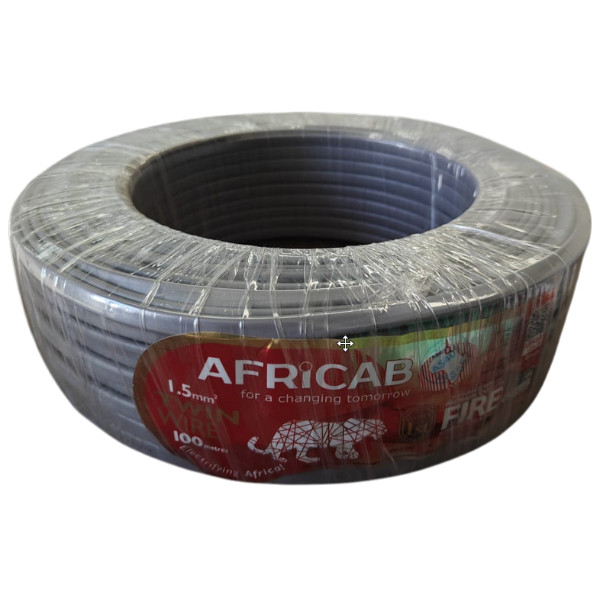
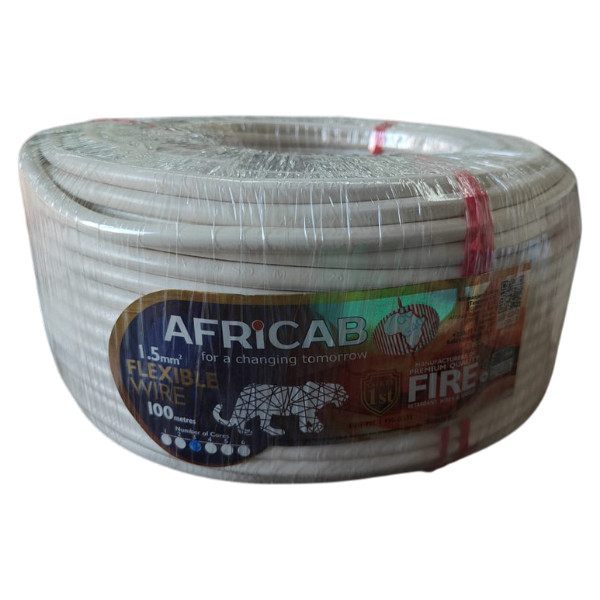
- Cable length and gauge — Longer cables with thinner wire increase resistance and heat generation. Quality strips use 1.5mm² or 2.5mm² cable for heavier loads.
- Shuttered sockets — Internal plastic shutters prevent children from inserting objects into live sockets. Essential in family homes and schools.
- Flame-retardant casing — The housing should be made from fire-resistant ABS plastic, not standard polypropylene, which melts rapidly under heat.
- Genuine surge protection — Many strips labelled "surge protected" in the informal market offer no real protection. Genuine units display a joule rating (typically 600–2000J) and a MOV indicator light.
The supply chain in Tanzania
Multi plugs reach Tanzanian consumers through several channels:
Wholesale importers in Dar es Salaam's Kariakoo and Ilala districts source containers primarily from China, with smaller volumes from India and the UAE. Brand-name products from established manufacturers such as Schneider Electric, Legrand, and local assemblers compete alongside a large volume of unbranded Chinese imports.
Retail distribution flows through electronics shops in major malls, hardware stores (fundis), supermarkets such as Shoprite and Carrefour, and a rapidly growing online channel via Jumia Tanzania and WhatsApp-based traders.
For construction and hospitality procurement, electrical contractors source multi plugs through specialist electrical wholesalers concentrated along Morogoro Road and in the Pugu Road industrial corridor.
Challenges in the market
Substandard imports are the most pressing concern. A significant proportion of multi plugs in circulation — particularly at informal market stalls — are not TBS-certified and pose genuine fire and electrocution risks. Awareness among consumers about what to check remains low.
- Voltage inconsistency means that even good-quality multi plugs can be stressed by supply fluctuations. Pairing a quality surge protector with a voltage stabiliser is best practice for sensitive equipment.
- Counterfeit branding — Fake products bearing the logos of reputable brands are found in secondary markets. Purchasing from authorised distributors or established retailers significantly reduces this risk.
- Limited consumer education — Many users overload strips without understanding current ratings, or daisy-chain multiple strips together — both practices increase fire risk considerably.
Tips for buyers in Tanzania
- Always buy from a registered retailer or electrical wholesaler, not roadside stalls.
- Check for a TBS mark on the packaging and product body.
- Match the strip's current rating to your intended load — add up the wattage of all appliances you plan to connect.
- Never plug a multi plug into another multi plug.
- Replace any strip that shows signs of overheating, discolouration, or loose sockets immediately.
- For computers and home entertainment systems, invest in a surge-protected strip with a genuine joule rating.
The road ahead
As Tanzania's urbanisation accelerates and device ownership deepens, the multi plug market will continue to expand. The growing penetration of solar home systems and mini-grids in rural areas is also creating demand for 12V DC multi plugs and USB-only charging hubs adapted to off-grid setups — a niche that remains largely underserved.
For importers and retailers, the competitive advantage will increasingly lie not in price alone but in product quality, TBS compliance, and consumer education. The buyers who get burned — literally or financially — by substandard products will become the most loyal customers for whoever offers them something they can trust.

Comments
No approved comments yet.