
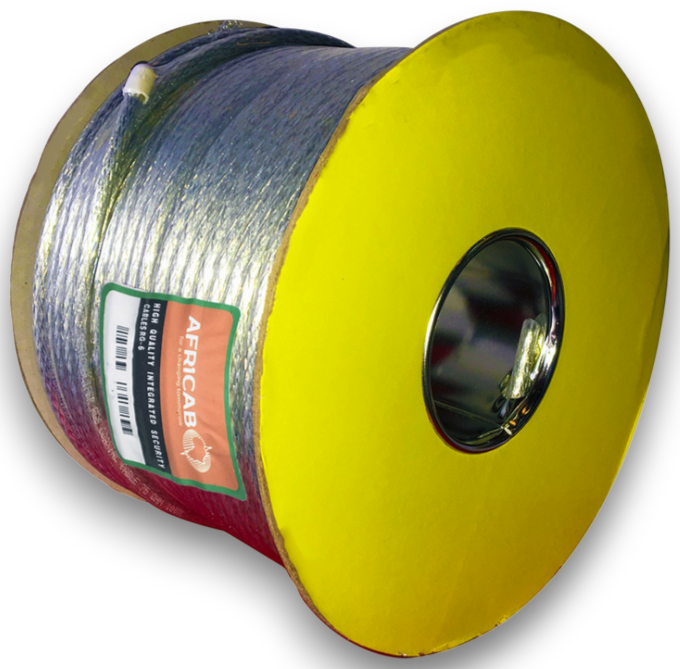
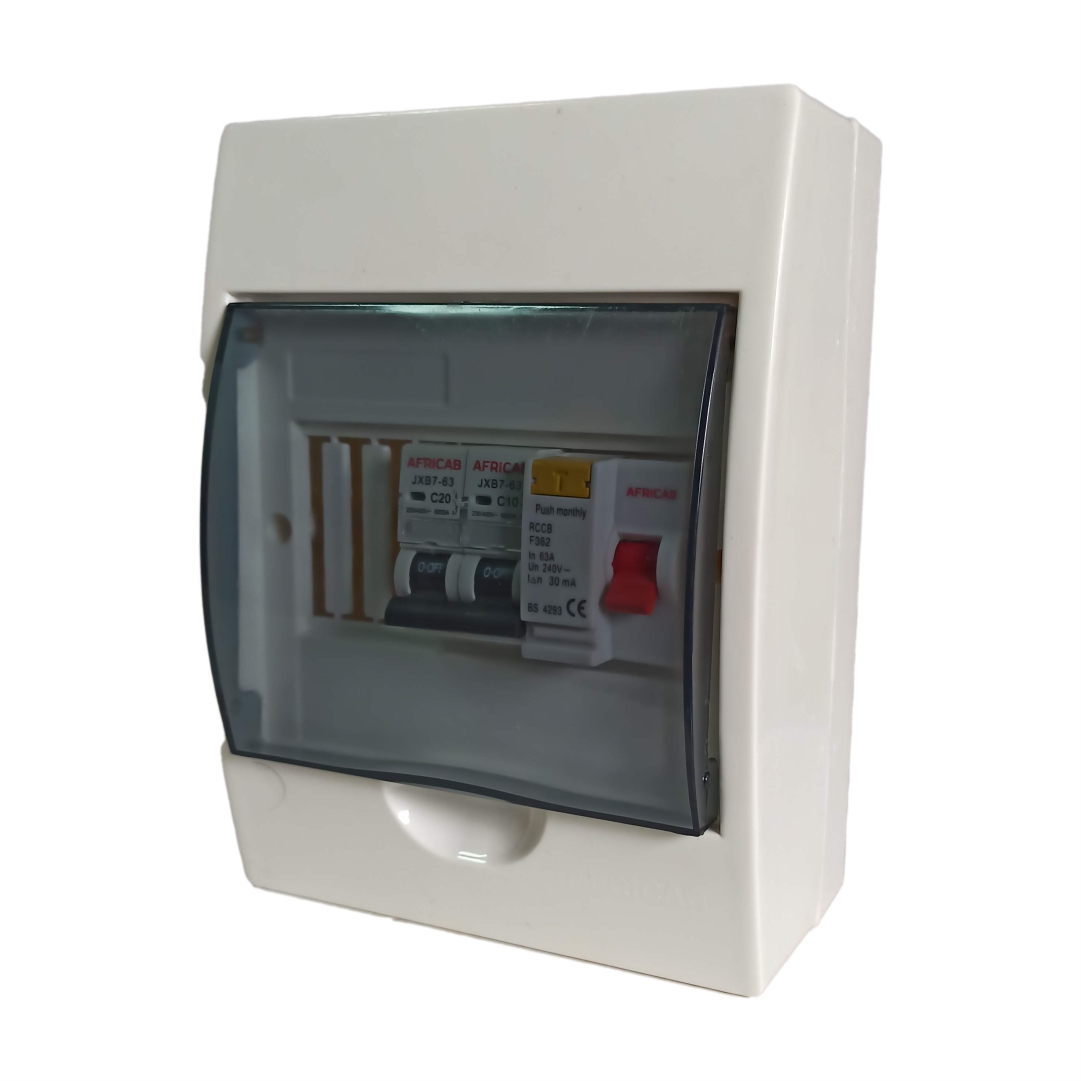





Electrical Cable for Lights in Tanzania: A Complete Guide by AFRICAB
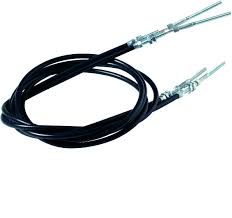
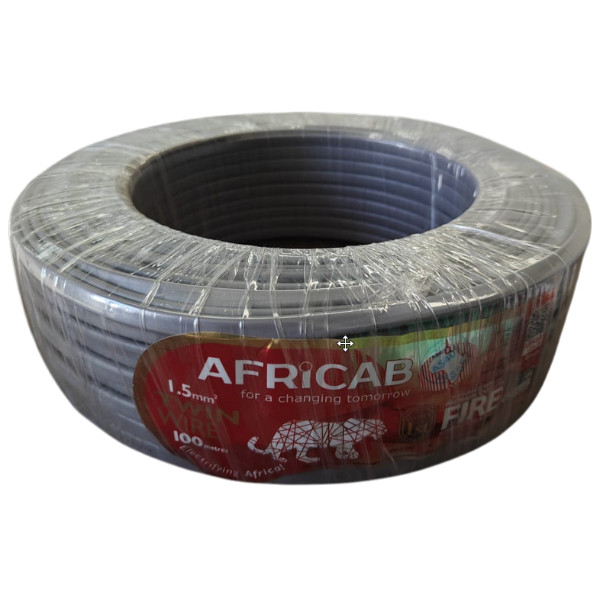
Choosing the right electrical cable for lights in Tanzania is essential for safe, reliable, and efficient lighting installations. Whether you are wiring a residential house, commercial building, office, hotel, or industrial facility, selecting a suitable lighting cable helps ensure consistent electrical performance and dependable lighting.
AFRICAB offers electrical wires and cables designed for different electrical applications. From residential lighting circuits to commercial and industrial installations, understanding cable types, sizes, insulation, and installation requirements can help customers make informed decisions.
In this guide, we explore how to choose the right electrical cable for lights, the factors to consider, and why quality cables are important for electrical installations in Tanzania.
What Is Electrical Cable for Lights?
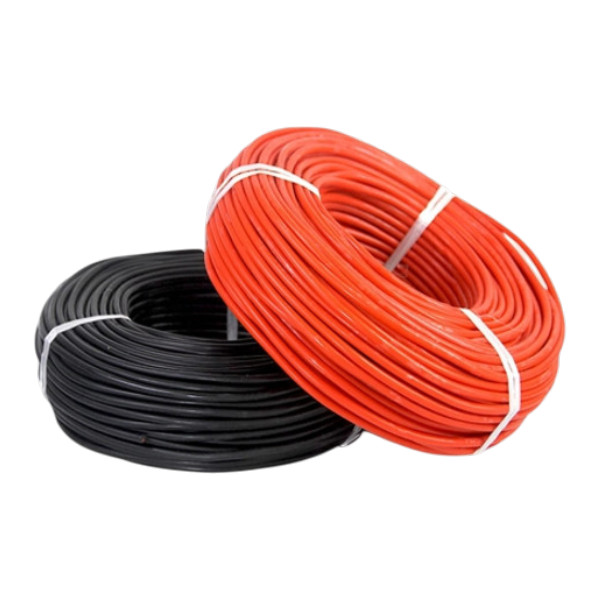
Electrical cable for lights is used to carry electrical power from a distribution board or lighting circuit to light fixtures such as LED bulbs, ceiling lights, wall lights, outdoor lights, and other lighting equipment.
A suitable cable provides a reliable electrical connection between the power source, switches, and lighting fixtures.
Lighting cables are commonly used in:
-
Residential houses and apartments
-
Commercial buildings and offices
-
Hotels and guest houses
-
Shops and shopping centres
-
Factories and warehouses
-
Outdoor lighting installations
Selecting the appropriate cable depends on the circuit design, electrical load, installation environment, and applicable electrical standards.
Types of Electrical Cable for Lights in Tanzania
Different lighting installations require different types of electrical cables. The correct selection should be based on the installation method, conductor material, insulation, and electrical requirements.
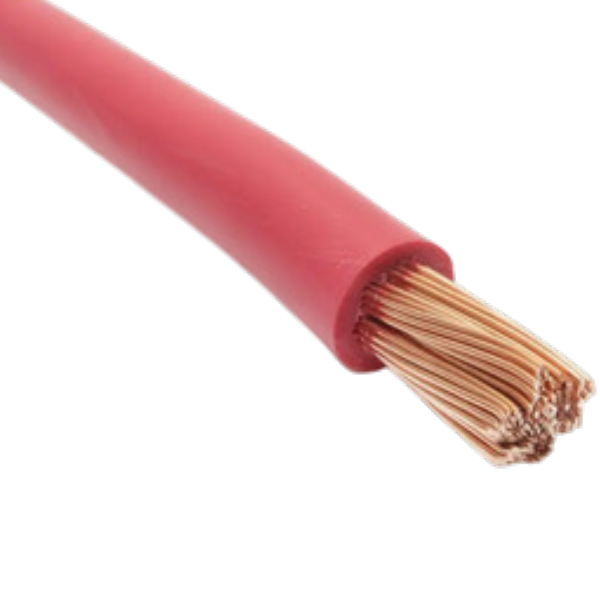
1. Single-Core Electrical Cable
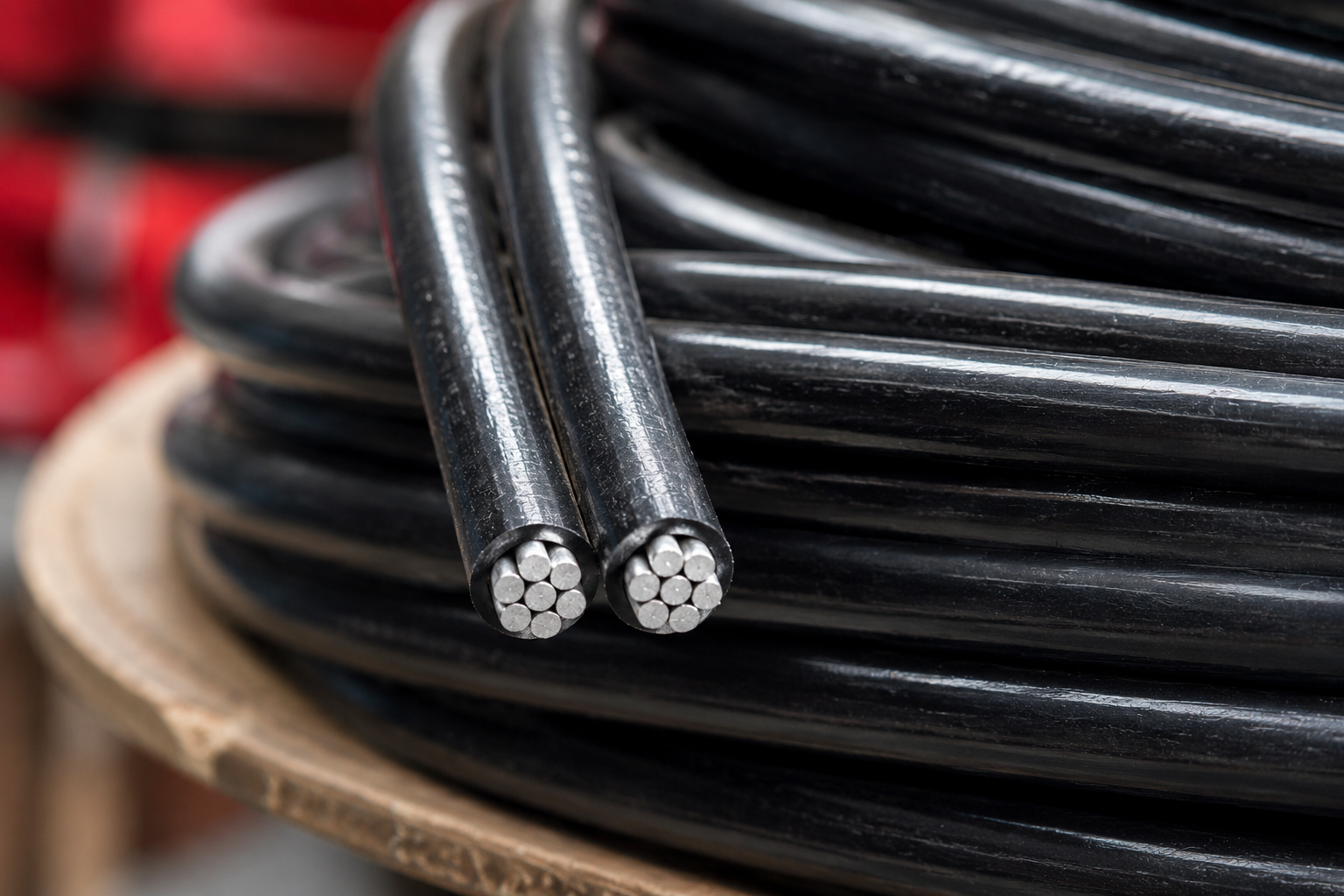
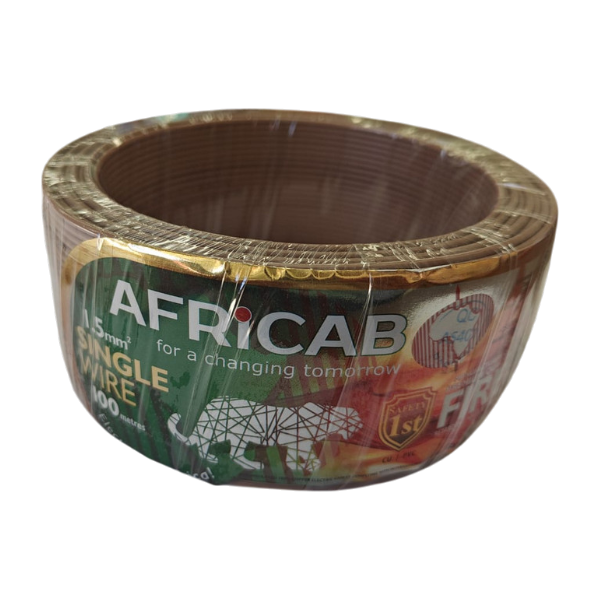
Single-core cables contain one insulated conductor and are commonly used in electrical wiring systems where individual conductors are installed inside suitable conduit or trunking.
They can be used in lighting circuits for connections between distribution boards, switches, and lighting points, depending on the wiring design.
Single-core cables are available in different conductor sizes to suit various electrical applications.
2. 2-Core Electrical Cable
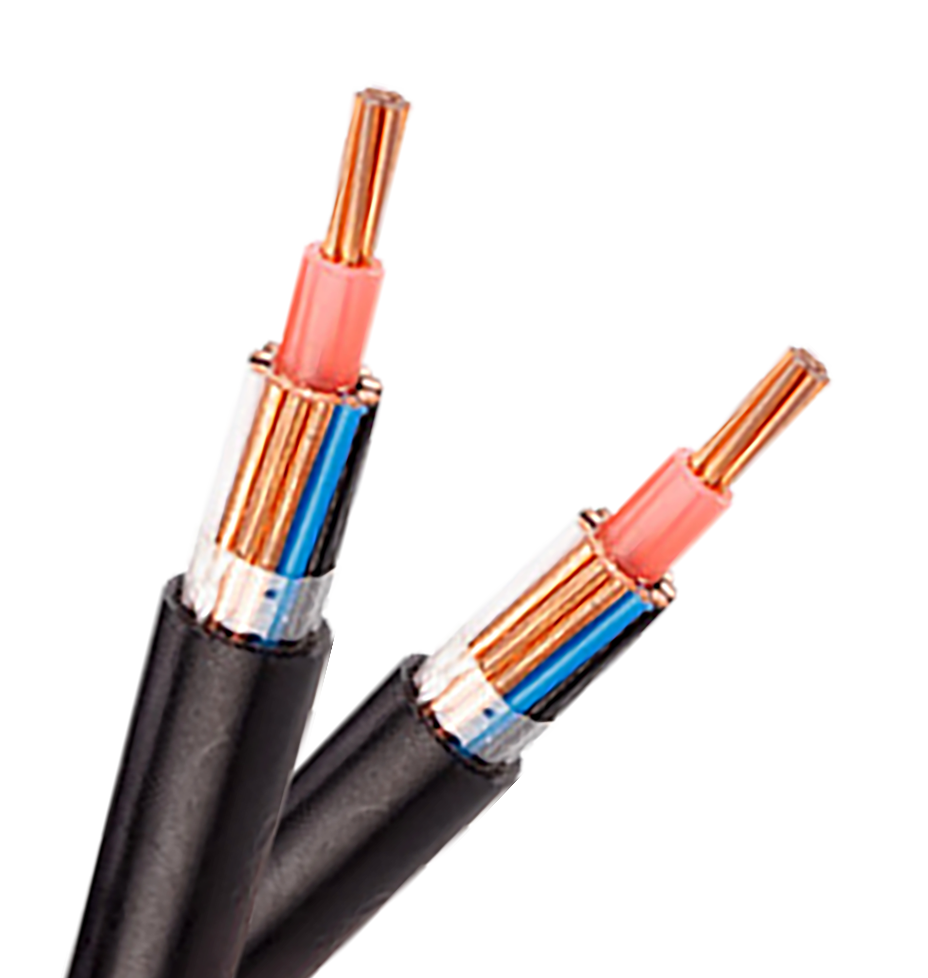
A 2-core electrical cable contains two conductors within a common outer covering or insulation arrangement.
Depending on the cable design and applicable wiring requirements, two-core cables may be suitable for certain lighting connections and electrical applications.
Before selecting a 2-core cable, confirm that the circuit design does not require a separate protective earth conductor within the cable.
3. 3-Core Electrical Cable
A 3-core electrical cable contains three conductors and may be used where the circuit requires line, neutral, and protective earth conductors, or other arrangements specified by the electrical design.
These cables can be suitable for certain lighting installations, including lighting points and equipment connections that require an earth connection.
The correct conductor identification and cable specification must be verified before installation.
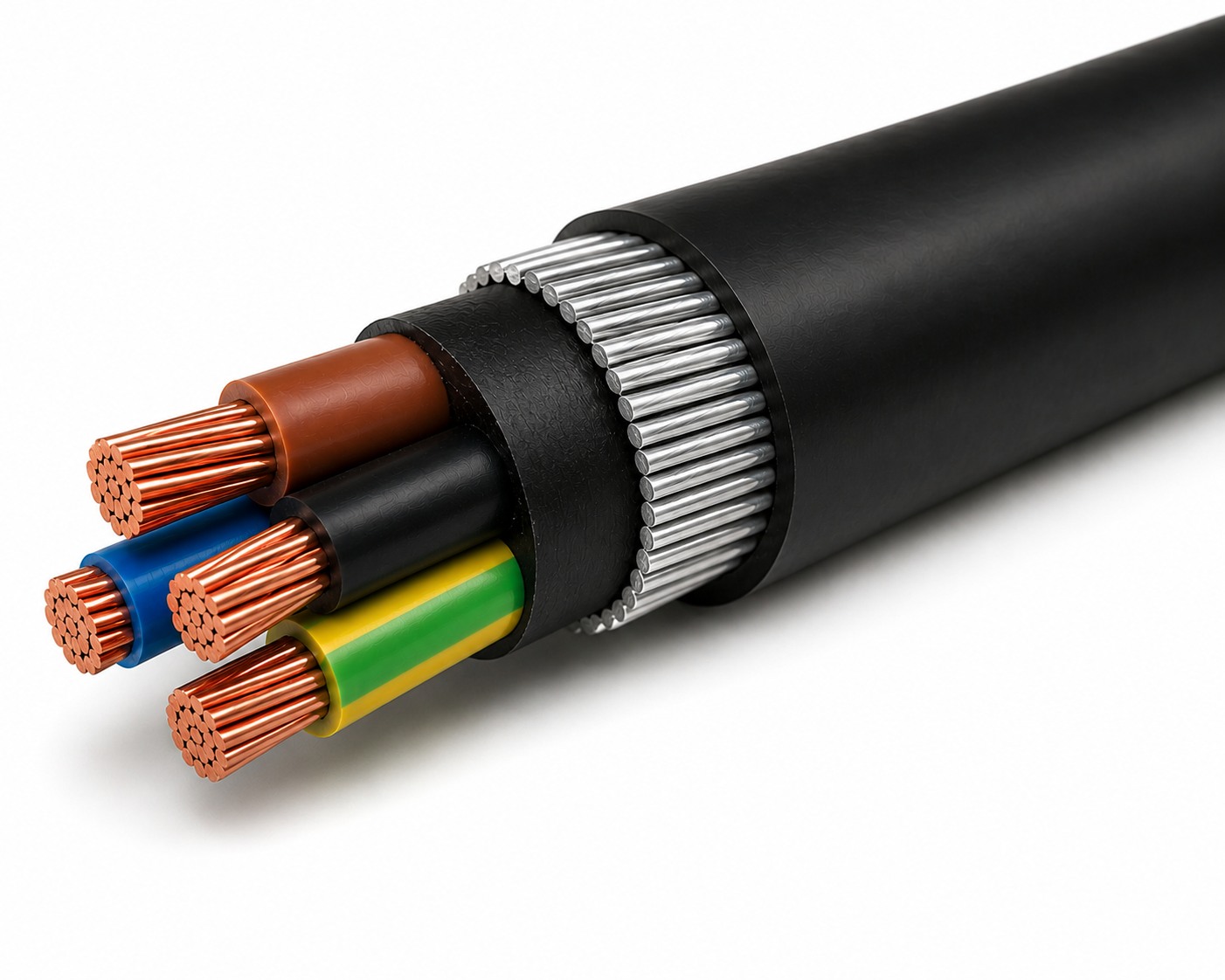
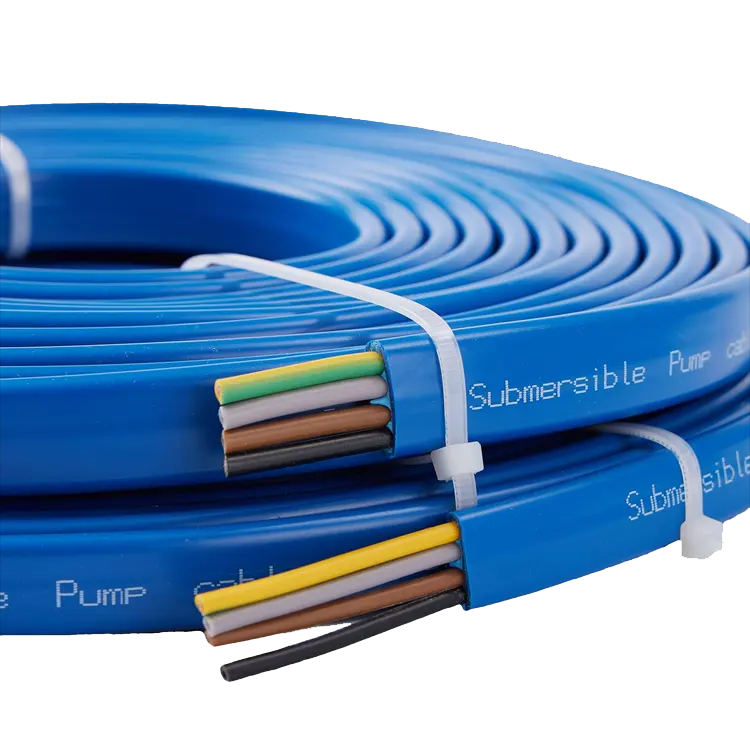
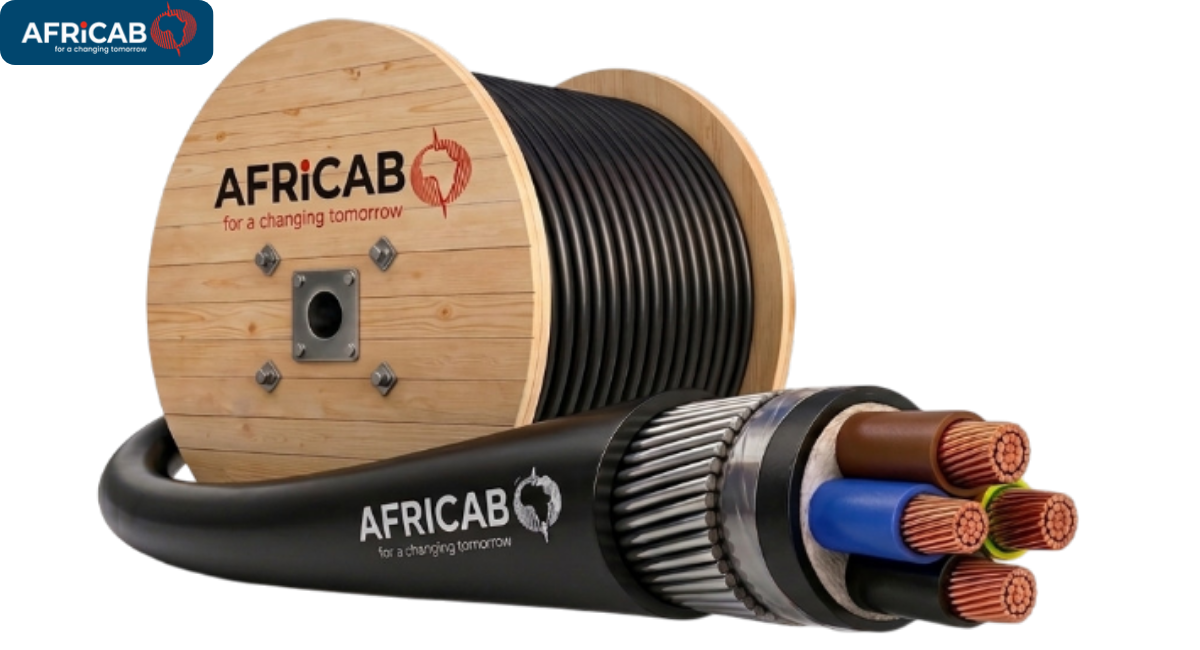
4. 5-Core Electrical Cable
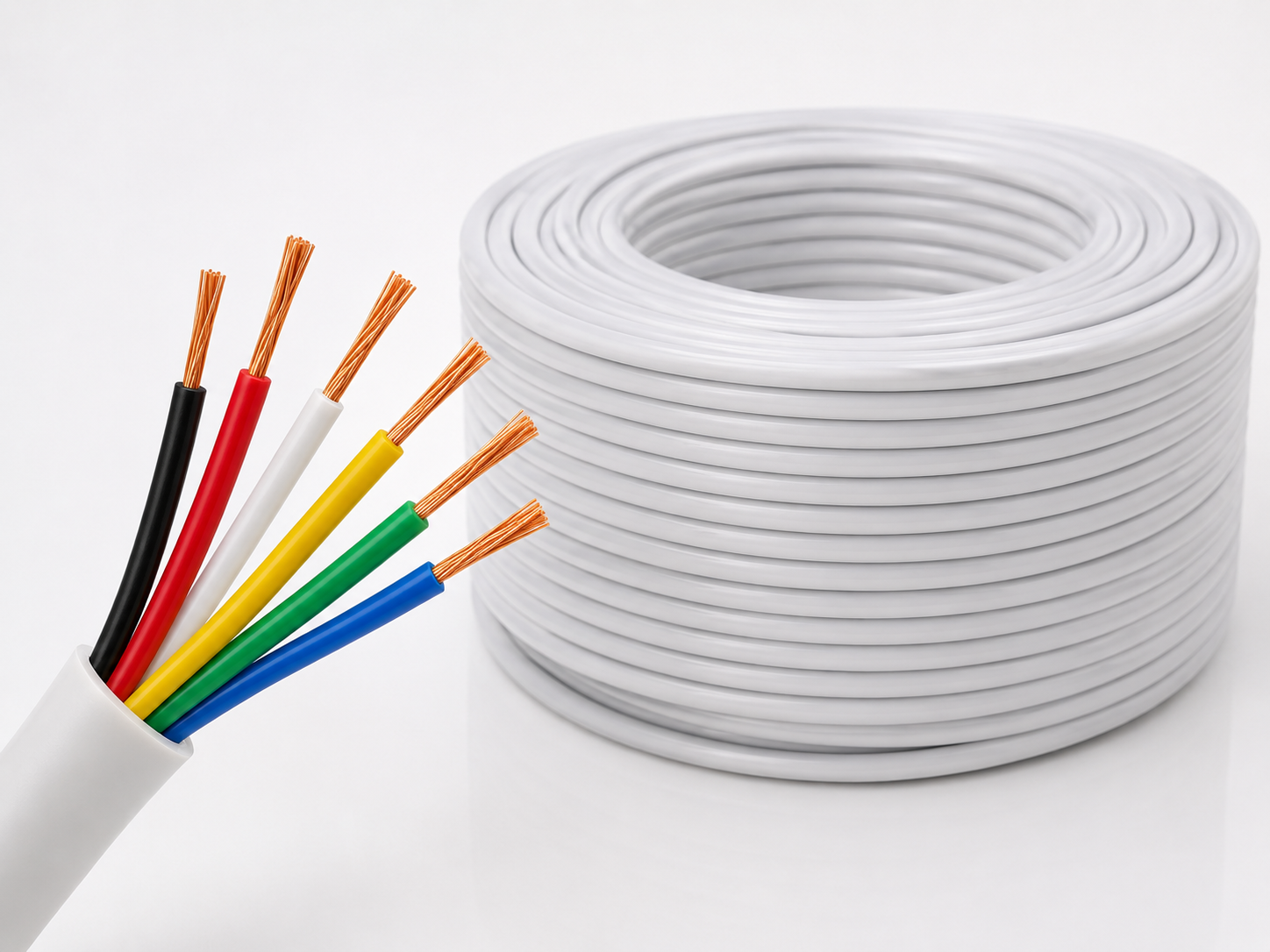
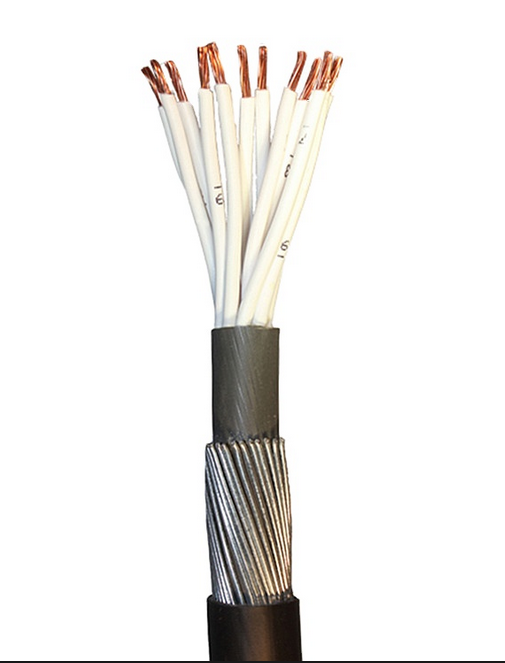
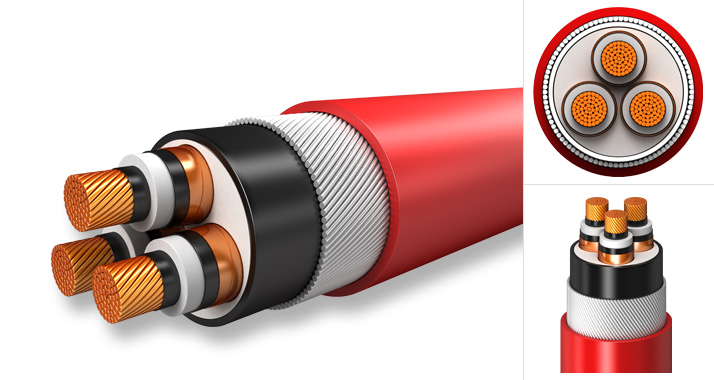
A 5-core electrical cable contains five conductors and is generally used for applications requiring multiple electrical connections.
Depending on its voltage rating, conductor size, and construction, it may be appropriate for certain control, distribution, or specialised electrical systems.
For ordinary residential lighting circuits, a five-core cable is not automatically necessary. Its use should be determined by the circuit design and professional electrical requirements.
How to Choose the Right Electrical Cable for Lights
When purchasing electrical cable for lights in Tanzania, several factors should be considered to ensure the cable is suitable for the intended installation.
1. Select the Correct Cable Size
Cable size is an important factor in electrical safety and performance.
The conductor cross-sectional area, generally measured in square millimetres (mm²), affects the current-carrying capacity and voltage drop of the cable.
The correct size depends on:
-
Lighting circuit current and connected load
-
Cable installation method
-
Length of the circuit
-
Ambient temperature
-
Grouping with other cables
-
Applicable electrical regulations
A qualified electrician should calculate the required cable size rather than selecting it based only on the number or type of light fittings.
2. Check the Conductor Material
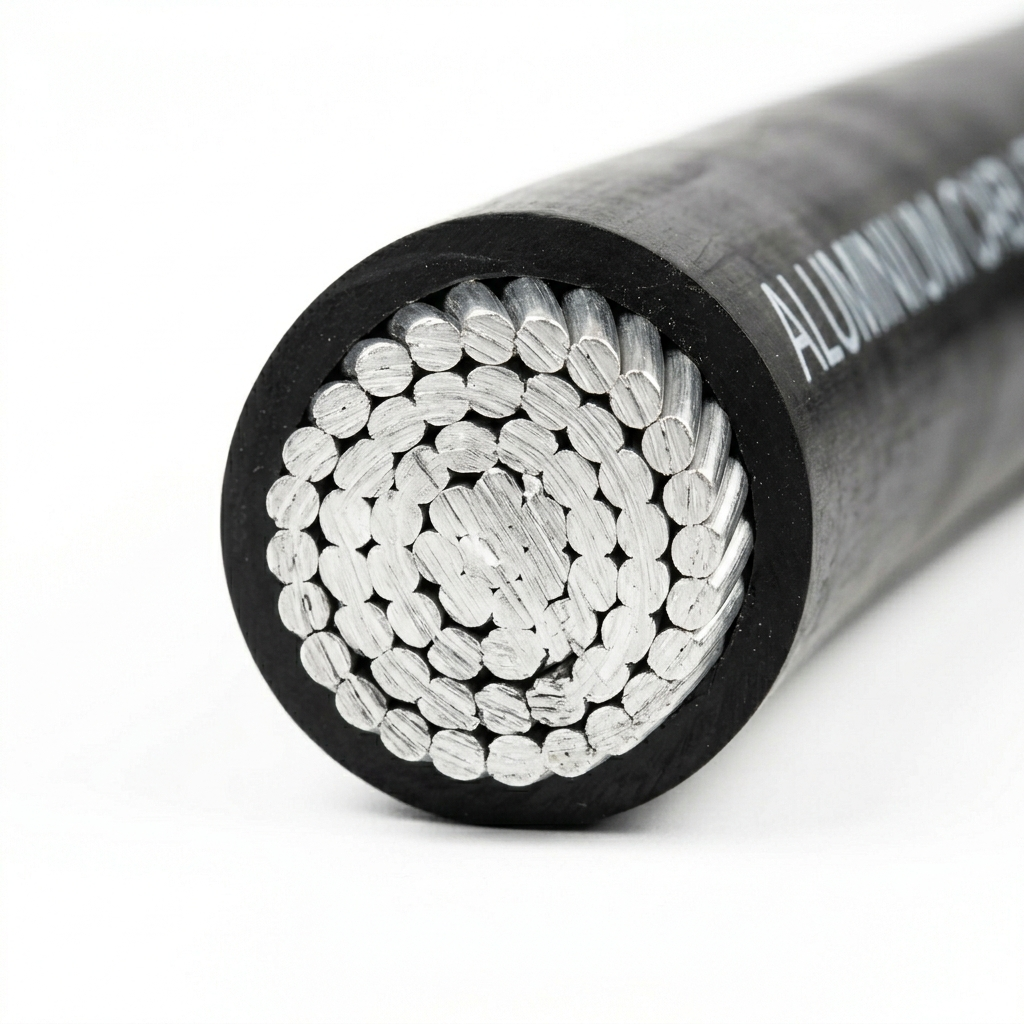
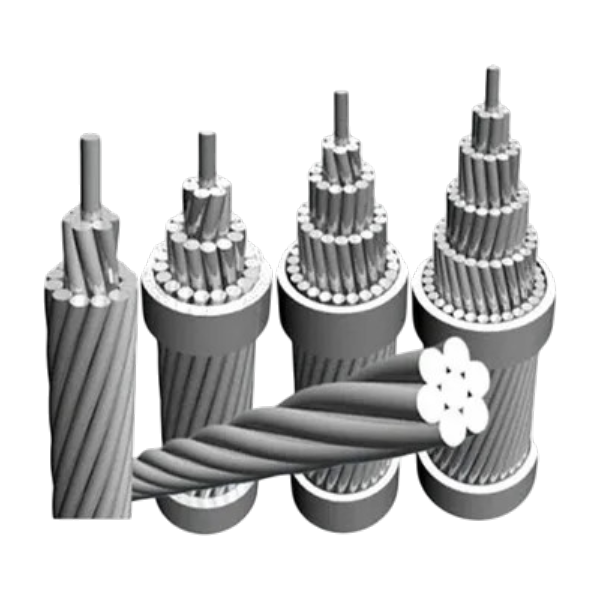
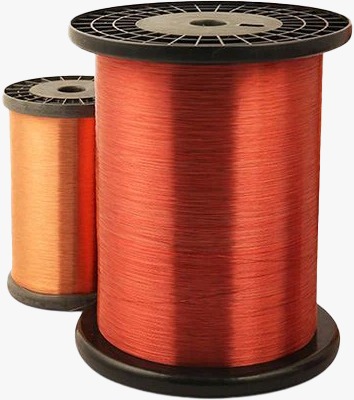
Copper and aluminium are commonly used as electrical conductors, but they have different electrical and mechanical properties.
Copper is widely used in building wiring because of its electrical conductivity and suitability for many fixed-wiring applications.
When choosing electrical cable for lighting, check the conductor material, size, and product specification to ensure compatibility with the intended circuit.
3. Consider Cable Insulation
Cable insulation protects conductors and helps prevent unintended electrical contact.
For lighting installations, insulation must be suitable for the system voltage, temperature, and installation environment.
Indoor wiring, outdoor lighting, and installations exposed to moisture or sunlight may require different cable constructions and protection methods.
Always verify the manufacturer's ratings and applicable installation requirements.
4. Consider the Installation Environment
The environment where the cable will be installed affects the type of cable and additional protection required.
For indoor lighting, cables may be installed inside suitable conduits, trunking, or other approved wiring systems.
For outdoor lighting, additional consideration should be given to moisture, ultraviolet exposure, mechanical damage, and environmental conditions.
Outdoor installations should use cables and protective systems specifically rated for the intended environment.
Electrical Cable for Residential Lighting
Residential lighting systems are found in bedrooms, kitchens, living rooms, bathrooms, corridors, and outdoor areas.
Each circuit should be designed according to its connected load, protective devices, and installation conditions.
For homes in Tanzania, appropriate lighting cables can support installations involving:
-
LED bulbs and ceiling lights
-
Wall-mounted lighting fixtures
-
Kitchen and corridor lighting
-
Bathroom lighting
-
Garden and security lights
-
Exterior building illumination
Using correctly specified electrical cables and suitable protective devices helps support safe and dependable household lighting.
Electrical Cable for Commercial and Industrial Lighting
Commercial and industrial buildings often have more complex lighting requirements than residential properties.
Offices, warehouses, retail spaces, factories, and hotels may require multiple lighting circuits, longer cable runs, and different installation arrangements.
Electrical cable selection for these projects should account for the total connected load, circuit length, installation conditions, and maintenance requirements.
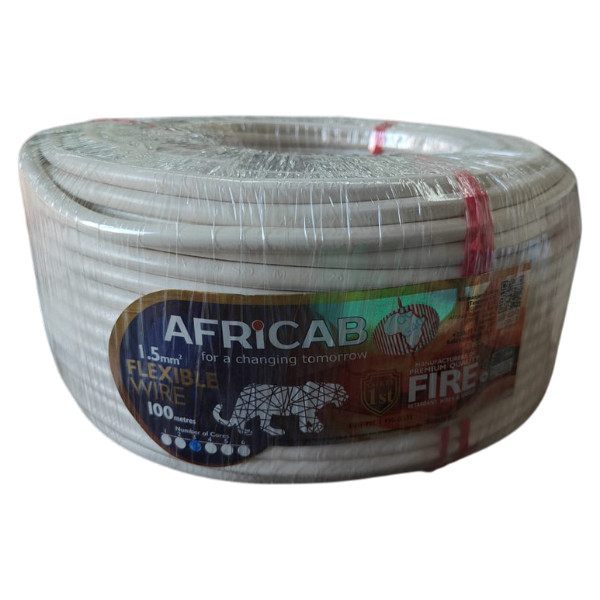
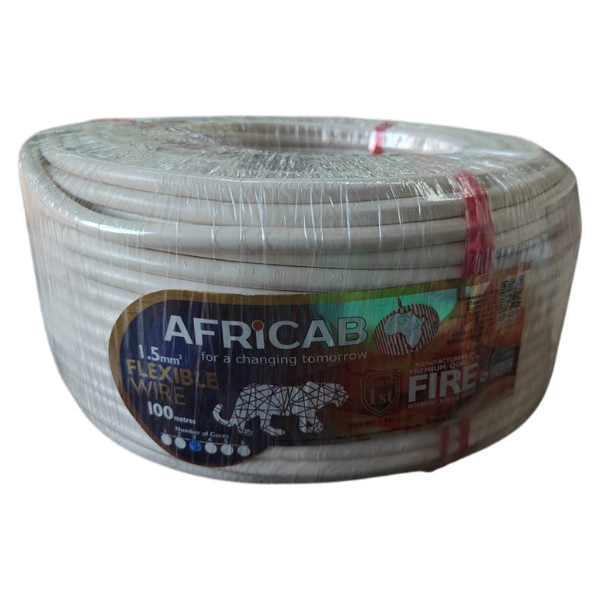
AFRICAB provides electrical wire and cable solutions for residential, commercial, and industrial applications in Tanzania.
For larger projects, consult a qualified electrical contractor to determine the cable specifications and installation requirements before purchasing materials.
Why Choose AFRICAB Electrical Cables?
AFRICAB is an established electrical and lighting brand in Tanzania, offering electrical products and cable solutions for different applications.
Customers looking for electrical cable for lights in Tanzania can explore AFRICAB's electrical cable range and check product specifications according to their project requirements.
AFRICAB's broader product range includes electrical wires and cables, lighting products, switches, solar solutions, and other electrical equipment.
When choosing cables for lighting installations, consider the following:
-
Conductor material and cross-sectional area
-
Voltage and temperature ratings
-
Insulation and cable construction
-
Compliance with relevant standards
-
Suitability for the intended application
Selecting a cable that matches the installation requirements is important for both safety and long-term electrical performance.
Tips for Safe Lighting Cable Installation
Proper installation is just as important as choosing the correct electrical cable.
Follow these basic recommendations:
-
Use a qualified electrician for electrical wiring and installation.
-
Select cable sizes according to the calculated circuit load and installation conditions.
-
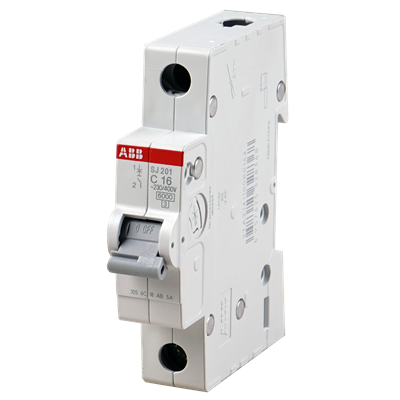
Use suitable circuit breakers and other required protective devices.
-
Protect cables against moisture, heat, abrasion, and mechanical damage.
-
Ensure proper earthing and electrical connections where required.
-
Avoid overloading lighting circuits.
-
Follow applicable Tanzanian electrical regulations and manufacturer instructions.
Never install or modify electrical wiring while the circuit is energised.
Conclusion
Choosing the right electrical cable for lights in Tanzania is essential for residential, commercial, and industrial lighting projects. Cable size, conductor material, insulation, installation environment, and circuit requirements all play an important role in determining the appropriate product.
Whether you need cables for LED lights, ceiling lights, outdoor lighting, or commercial installations, selecting products according to the electrical design helps support safe and reliable performance.
AFRICAB provides electrical cable and lighting solutions for customers across Tanzania. Explore the AFRICAB range to find suitable electrical products for your next lighting project.
Explore AFRICAB electrical products: www.africab.co.tz

Comments
No approved comments yet.